Photographic Expeditions
SOUTH AFRICA
Sardine Run
Price
Duration
Departure
Group Size
About
SPECTACULAR sardine run!
Extraordinary barely describes the sardine run! This natural phenomenon occurs from May to end July along the South African coastline, and found nowhere else in the world. Rivaling the wildebeest migration, it’s the greatest gathering of ocean predators known. Thousands of dolphins drive vast shoals of sardines into densely packed bait balls. Following close behind are seabirds, sharks, game fish, whales, and other marine life with little else but sardines on their mind!
Join me on this once in a lifetime opportunity to be part of what many of the world’s top wildlife photographers and filmmakers consider the most intense and spectacular marine wildlife event in the world.
About
ALL YOU need TO KNOW
About this Workshop
This workshop is aimed at enthusiastic underwater photographers whether experienced or novice. There is no minimum camera requirement.
I have photographed the sardine run a number of times and have compressed the hard lessons I learnt in order to capture great images into the few days of this workshop. By sharing what I do before, in the water, and after, I aim to assist you to improve your results. This underwater photography workshop will consist of 3 modules divided over the period of the expedition.
Module 1
The aim of this module is to assist you with the basic photography knowledge, or a refresh on what might be a little rusty, or help you to improve your wide angle, underwater action photography. I will assist each photographer based on their photography skills and needs whether experienced or beginner, therefore this module includes but is not limited to:
- A recap of photography fundamentals
- How to shoot fast moving underwater subjects
- Best settings to ensure best results
- Strobes versus natural light
- Composition and moving subjects
- Matching your equipment with your expectations
- Challenges you’re likely to experience and how to solve them
Module 2
This module aims to get you out there and shooting and continues throughout the week. I assist you at sea and look at what you have shot, analyse and problem solve, and help you to achieve great results. I allocate time for each student and provide individual review, both at sea and daily after diving. The group image review sessions are a great way to share and learn from each other.
Module 3
Because of the many hours I have spent processing images I am quick to select the best out of hundreds of images, identify problems and quickly fix these with only a few key adjustments in order to transform them into stunning and powerful images. In this module I teach you my tricks. This module includes getting images from your camera to computer and gives you tips necessary to organize, archive, and improve your images. Includes image manipulation using Adobe Photoshop and Camera Raw and/or Lightroom. It is designed for the photographer who already has some basic Lightroom/Camera Raw and Photoshop experience, but it is also very helpful for those working with these software packages for the first time. It is essential to have either Lightroom or Camera Raw and Photoshop installed on your computer. This module includes, but is not limited to the following:
- How I manipulate my images in Camera Raw/Lightroom to enhance images into killer shots.
- Photoshop adjustments – my personal workflow.
- Tips on salvaging images that are over or underexposed, poor composition etc. but great content and worth the effort.
- Preparing images for posting, best settings and apps for social media.
- Preparing images for print.
PRICE PER PERSON
Request price below.
Note: price is in South African Rands and USA Dollar rate may differ based on exchange rate at the time.
BEST EQUIPMENT FOR THE SARDINE RUN
The Sardine Run offers photographic opportunities both above and below the surface. This is a list of camera gear and other equipment I recommend:
Camera Bodies & strobes
- Fast autofocus & high burst rate is key for action, mirrorless or DSLR cameras that can shoot at least 8–10 fps are ideal.
- Full-frame sensors perform best in variable light conditions, especially underwater.
- Bring two bodies if possible, one set up for underwater, one for surface photography.
- Strobes must have fast recycle time.
Lenses for Underwater Photography
- Wide-Angle Zoom Lens (14–24mm or 16–35mm)
- Essential for bait balls, dolphins, sharks, whales, and capturing the full drama of the underwater scenes.
- Allows you to get close to subjects while fitting large groups or action in the frame.
- Fisheye Lens (8–15mm or 10.5mm)
- Popular for extreme wide shots of tightly packed bait balls and close encounters.
- Great for dramatic underwater perspectives with minimal distortion when close to subjects.
Lenses for Surface Photography
- Telephoto Zoom Lens (70–200mm or 100–400mm)
- Ideal for capturing breaching whales, diving seabirds, and distant marine activity from the boat.
- The 100–400mm range is especially versatile for surface work.
- Super Telephoto Prime (400mm, 500mm, or 600mm)
- For serious wildlife photographers aiming to shoot distant bird action or clean whale breaches with compression.
- Standard Zoom (24–70mm or similar)
- Useful for boat scenes, landscape context, and wide shots of the ocean environment.
- Handy as a walk-around lens for documentary and storytelling photos.
Must-Have Accessories
- High-capacity memory cards – at least 64–128GB per card; bring extras.
- Multiple batteries – cold and long days on the water drain power quickly.
- Dry bag or waterproof case – to protect topside camera gear on the boat.
- Microfiber cloths & lens wipes – essential for cleaning water droplets and spray.
- Polarizing filter – helps manage glare and reflection in surface shots.
- Lens hoods & rain covers – protect against sea spray, wind, and shifting light conditions.
Why Two Setups Are Ideal
- Underwater setup: Wide-angle lens on a camera in underwater housing for bait balls and close encounters.
- Surface setup: Long lens and fast camera for shooting fast-moving birds, whales, and dolphins above water, without needing to switch gear mid-action.
INCLUDED
EXCLUDED

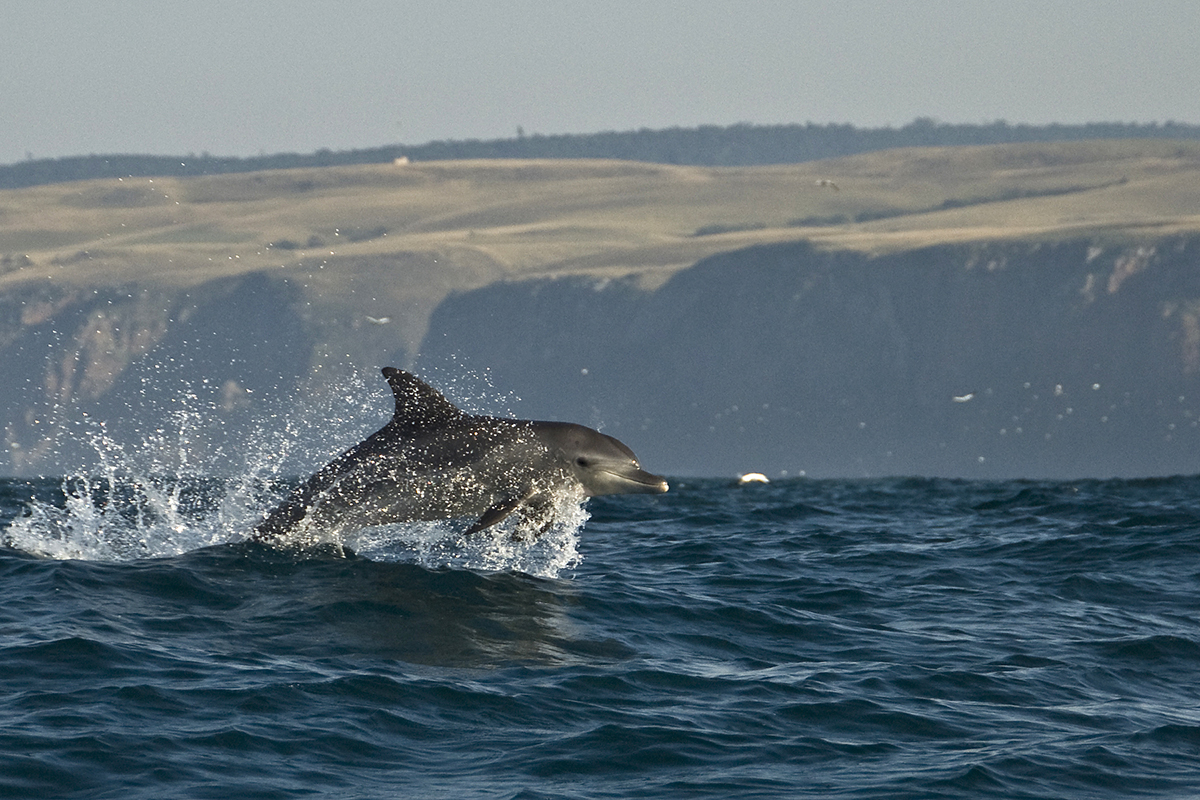
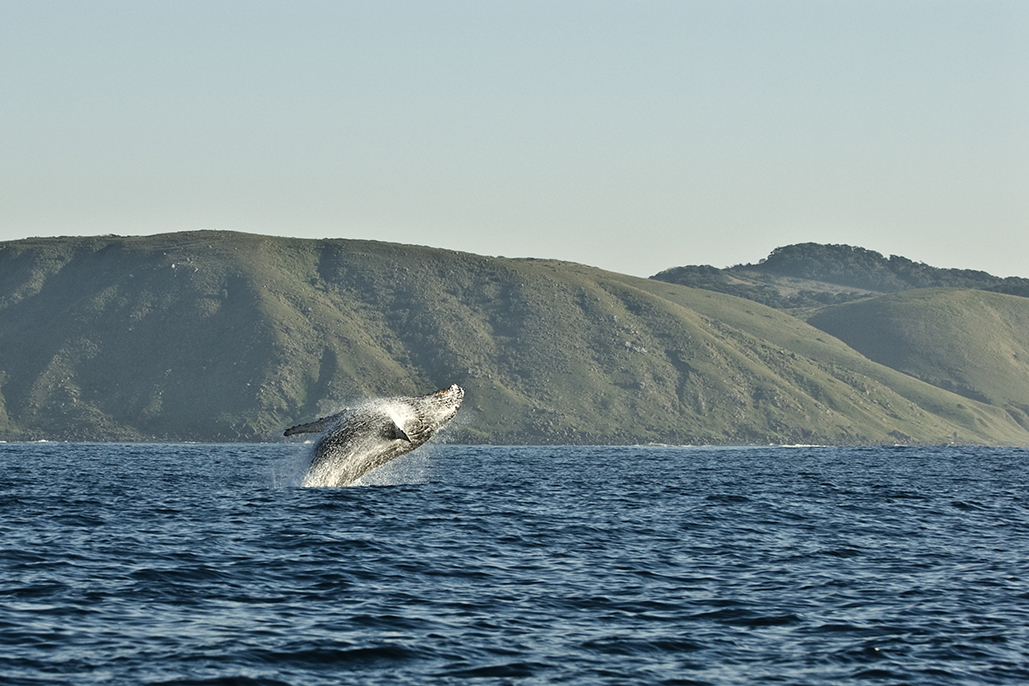
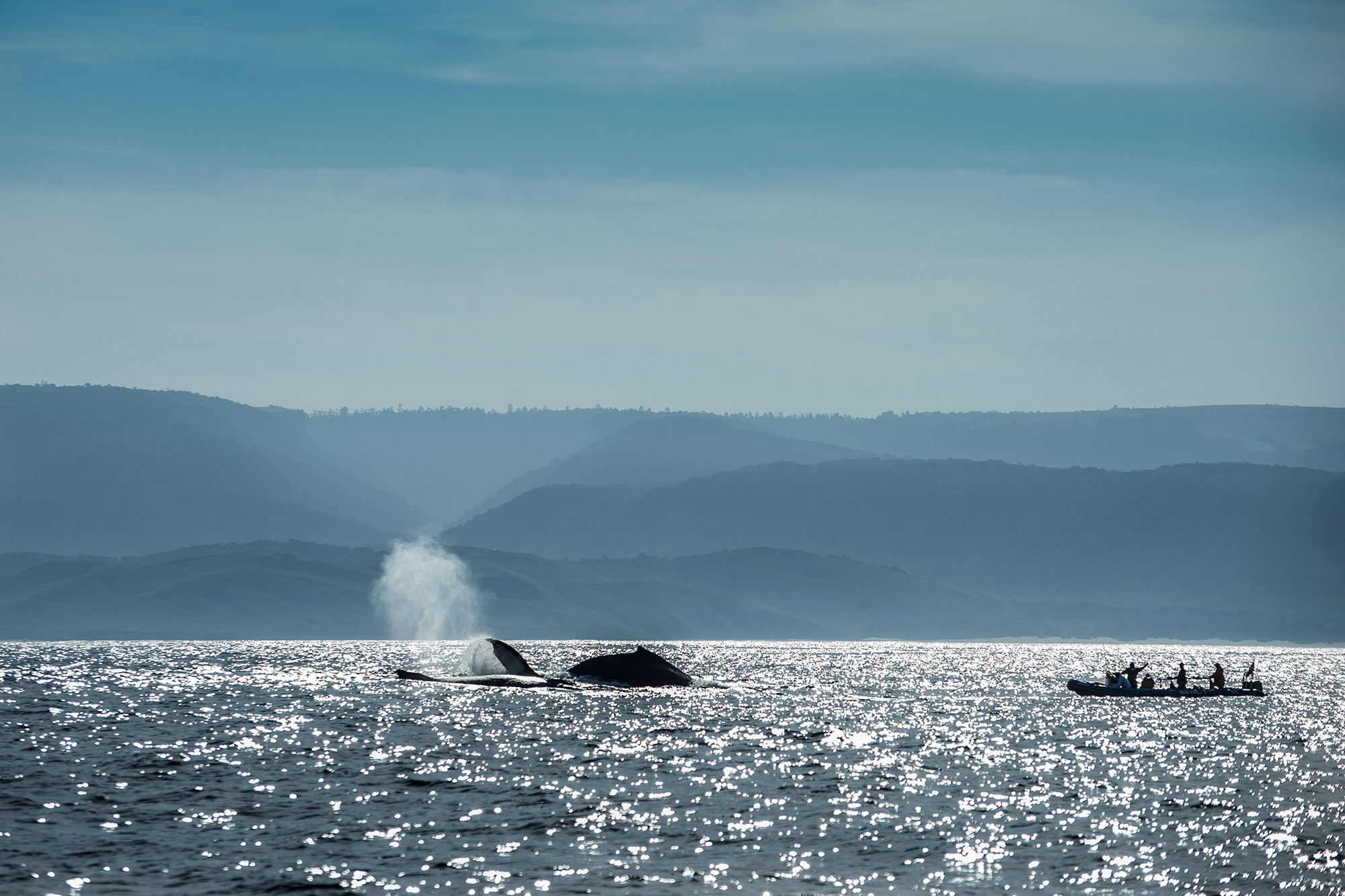


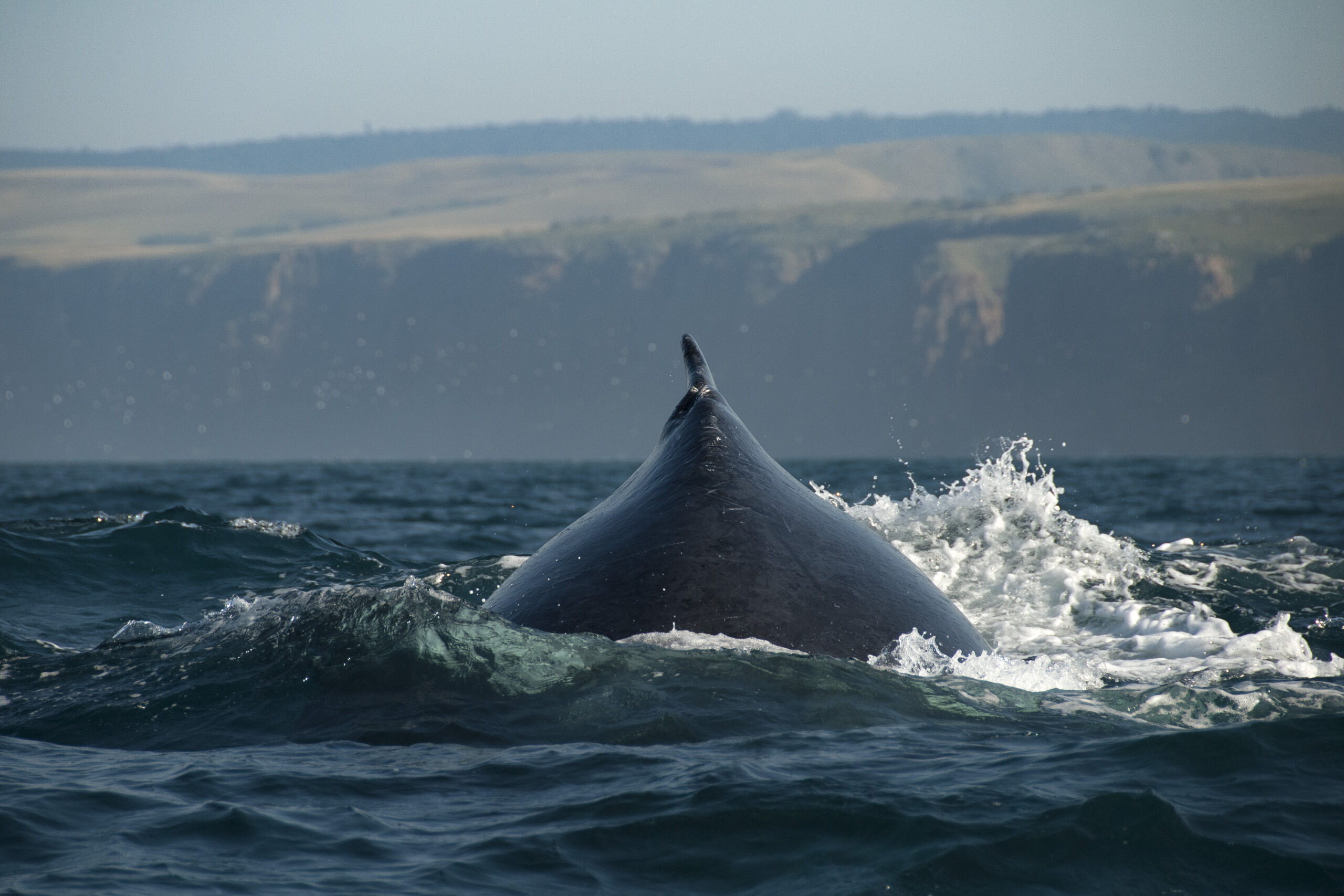
GREATEST SHOAL & SHOW ON EARTH
PHOTO opportunities
The sardine run is one of the most challenging underwater photography events I have experienced – the animals move incredibly fast, you’re in the middle of a feeding frenzy, and it can be very overwhelming to begin with. But it’s also the most exhilarating underwater photographic experience you’re yet to experience!
Read More
???? Marine Life & Predators of the Sardine Run
The Sardine Run is one of the most dramatic marine events on Earth, offering intense action, fast-paced encounters, and unmatched underwater photography opportunities. Here’s what you can expect to photograph:
Sardines (Southern African Pilchard)
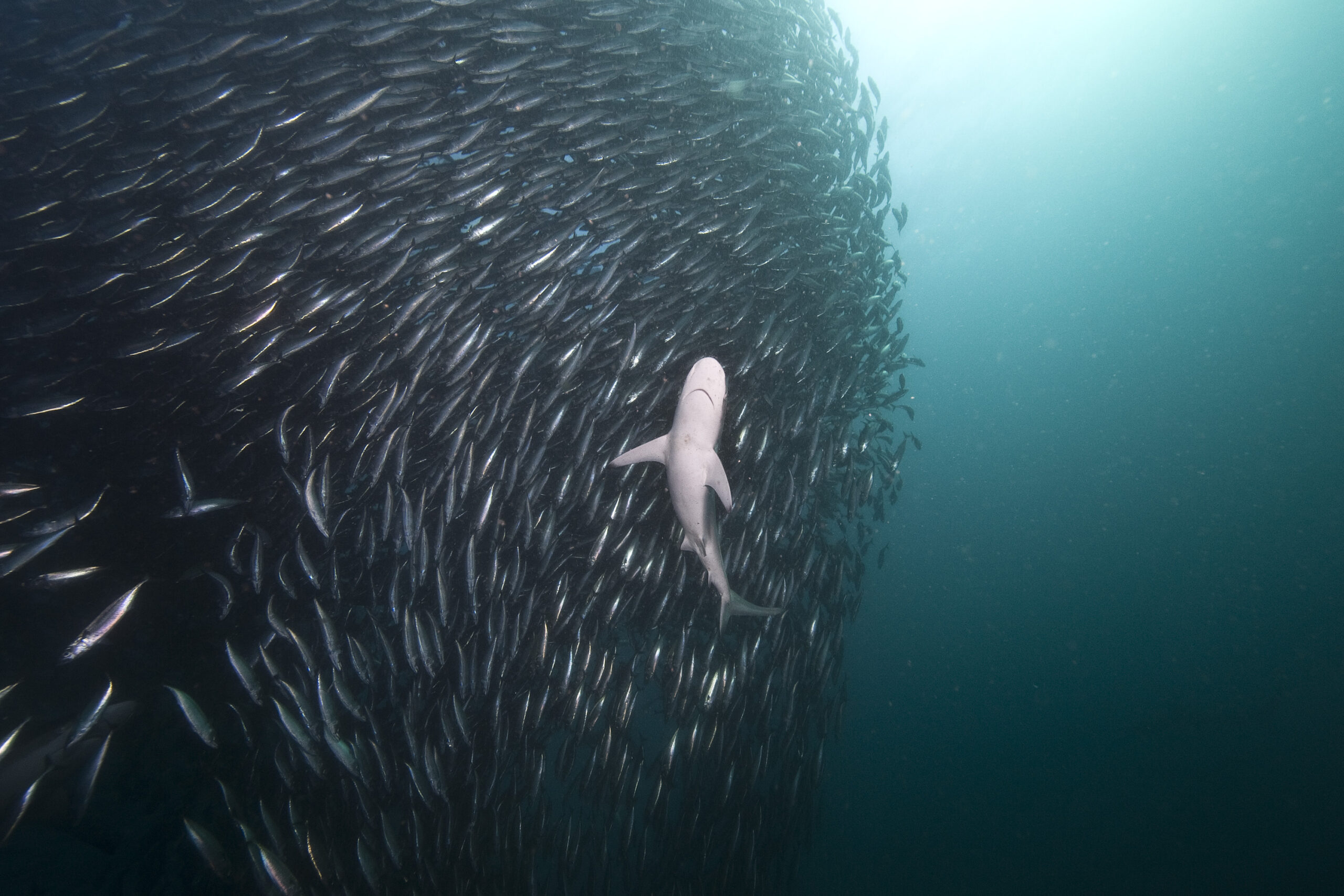
- Massive bait balls made up of millions of sardines, moving in tightly packed, shimmering schools — the heart of the Sardine Run spectacle.
Sharks
- Bronze Whaler Shark (Copper Shark) – the most commonly seen predator during the run; fast-moving and often seen attacking bait balls.
- Blacktip Shark – agile, sleek, and sometimes seen near the surface.
- Dusky Shark – robust and present in deeper waters near bait balls.
- Ragged-Tooth Shark (Sand Tiger Shark) – occasionally encountered in calmer areas or near reefs.
- Oceanic Blacktip Shark – sometimes spotted offshore in open water.
Dolphins
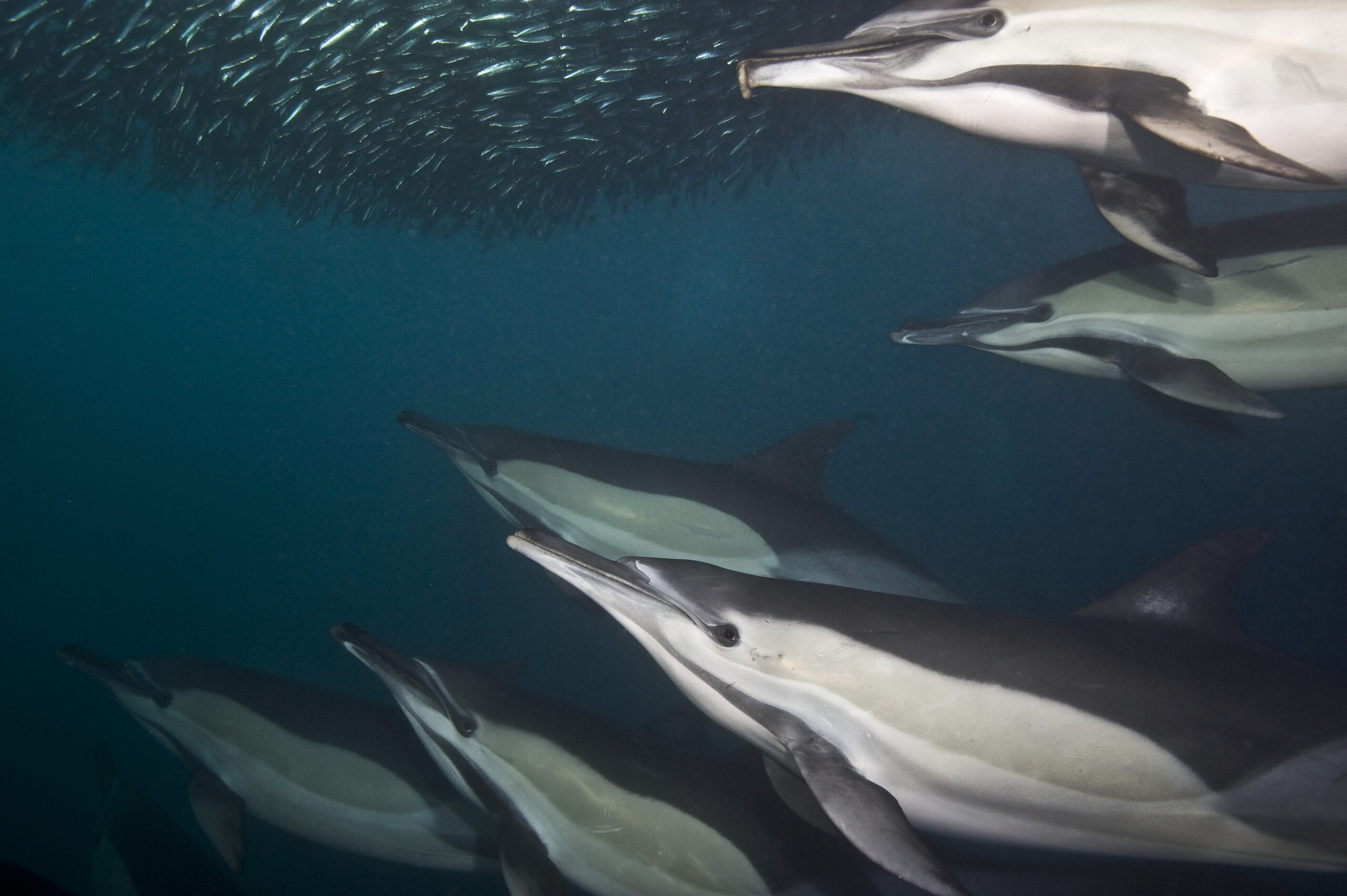
- Common Dolphin – large pods numbering in the hundreds or even thousands; they work together to herd sardines into bait balls.
- Bottlenose Dolphin – often seen closer to shore or around reefs, sometimes joining the action.
Whales
- Bryde’s Whale – dramatic moments when they lunge-feed through sardine shoals; often a highlight for photographers.
- Humpback Whale – seen migrating past the coast during this time; breaches and fin slaps offer excellent surface shots.
- Southern Right Whale – occasionally spotted in deeper waters.
Seabirds
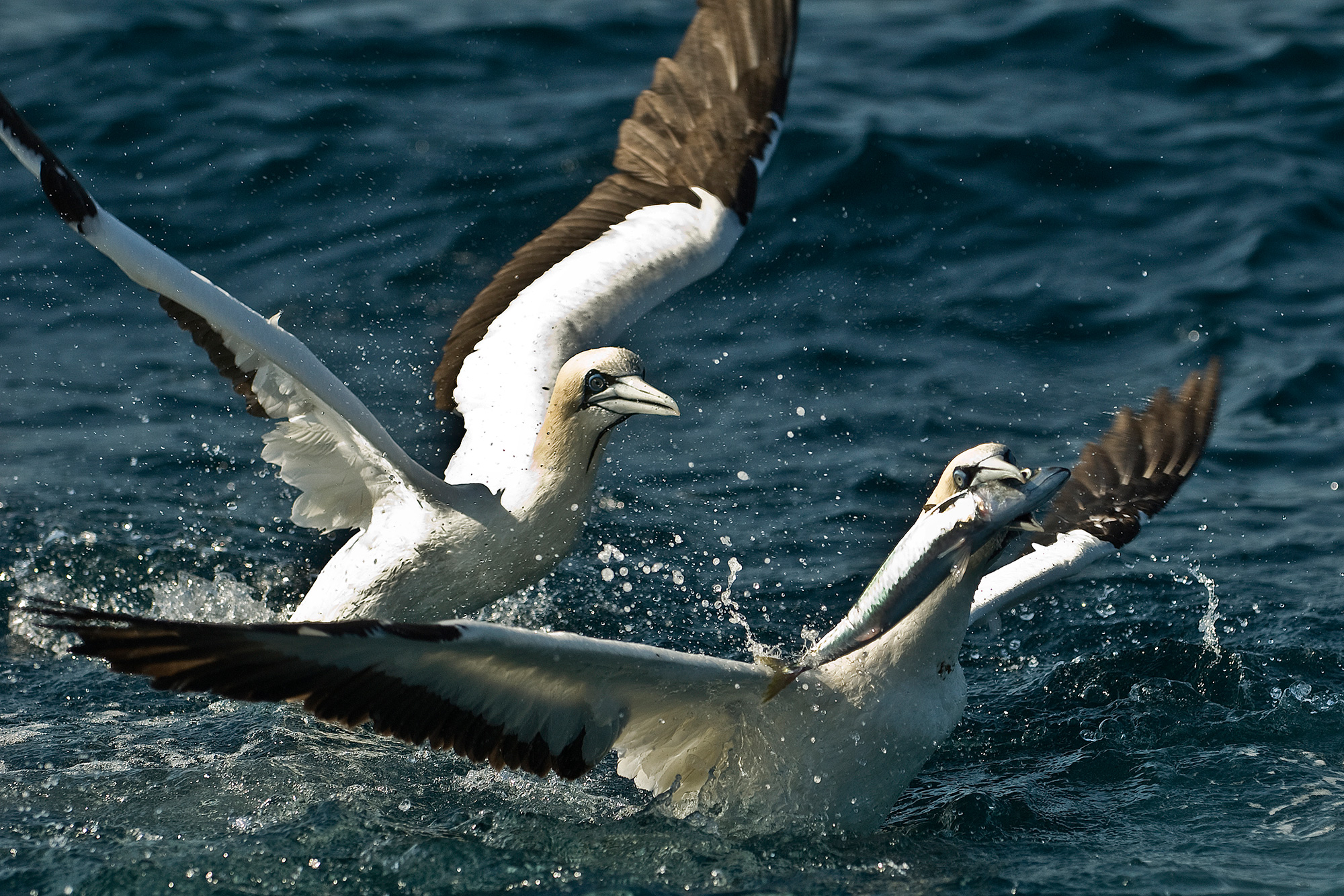
- Cape Gannet – the aerial stars of the Sardine Run; known for their vertical dives at high speed into bait balls.
- Terns (Various species) – agile and fast, often seen skimming over the water.
- Cory’s Shearwater – oceanic birds seen in flocks offshore.
- Cape Cormorant – may be seen diving near bait balls in calmer conditions.
Other Marine Life
- Ocean Sunfish (Mola Mola) – rare but possible; sometimes seen basking near the surface.
- Sea Turtles – loggerhead and leatherback turtles occasionally sighted during calmer moments or near reefs.
- Various Game Fish – including kingfish, yellowtail, and tuna species hunting sardines in the chaos.
Why the Sardine Run Is Exceptional for Underwater Photography
- Action-Packed Seascapes – Chaotic feeding frenzies above and below water.
- Multi-Species Interactions – Rare chance to capture predator-prey drama across different taxa—dolphins, sharks, birds, and whales in a single frame.
- Dynamic Light and Motion – Ever-changing underwater conditions challenge and inspire creativity behind the lens.
- Above & Below – Opportunities for both wide-angle underwater shots and dramatic topside bird and whale action.
WHY JOIN THIS Adventure
GET READY FOR FAST action!
✓ Led by Lesley Rochat, pro photographer & ocean advocate
✓ World-famous Sardine Run action – above & below water
✓ Designed for fast-action & marine photography
✓ Personalised guidance in challenging conditions
✓ Incredible diversity: dolphins, sharks, whales, birds
✓ Small group for focused photographic support