Photographic Expeditions
SOUTH AFRICA
Timbavati Luxury Safari

Price
Duration
Departure
Group Size
About
BIG 5 OF timbavati
Join me on this luxury photographic safari in the heart of the Timbavati Private Nature Reserve, which shares unfenced borders with the world-renowned Greater Kruger National Park. This allows wildlife to roam freely across a vast conservation area, offering you the same incredible biodiversity, but with the exclusivity and intimacy only a private reserve can provide.
It’s designed for photographers of all levels seeking exceptional wildlife encounters and the highest level of comfort. The exclusive underground photographic hide, and just six guests, ensures the best vantage points for unforgettable wildlife captures. Together with my tailored instruction, field expertise, and editing workshops you’re sure to elevate your craft.
About
ALL YOU NEED TO know
ABOUT THIS PHOTO SAFARI
Timbavati Game Reserve was formed in the 1950s, when a group of conservation-minded private game park owners on the western boundary of the Kruger National Park decided to pool their resources for their mutual benefit as well as that of the wildlife in the area. The individual farms were consequently joined to form a wilderness area that is today privately owned by 48 individual members.
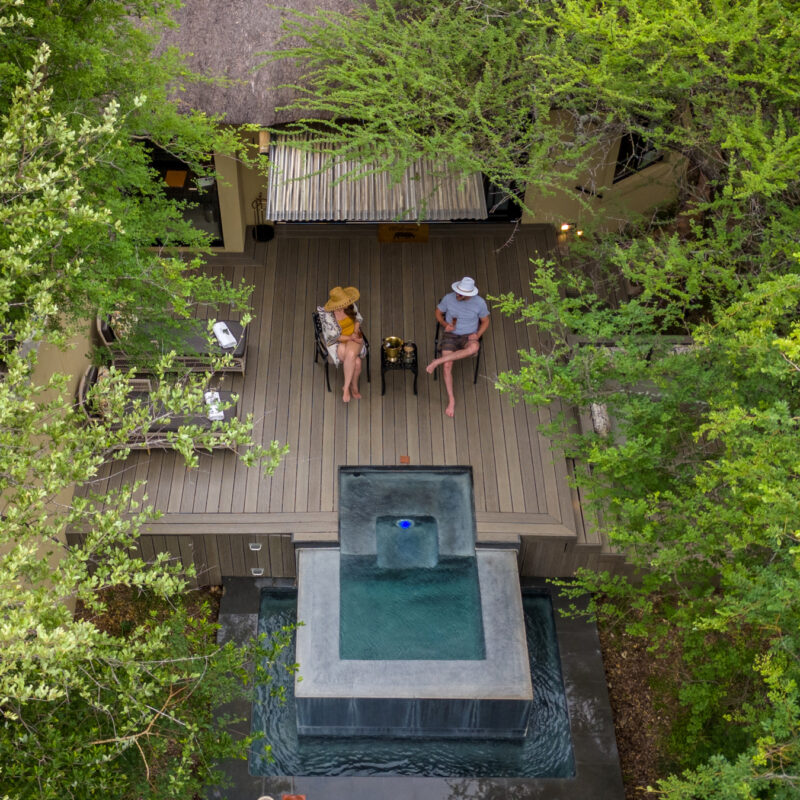
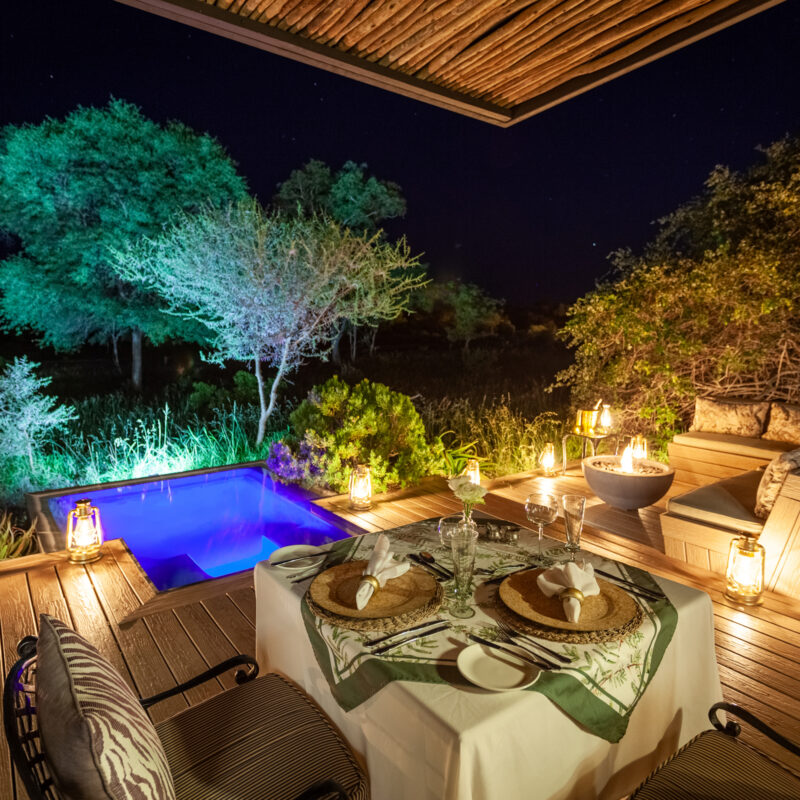
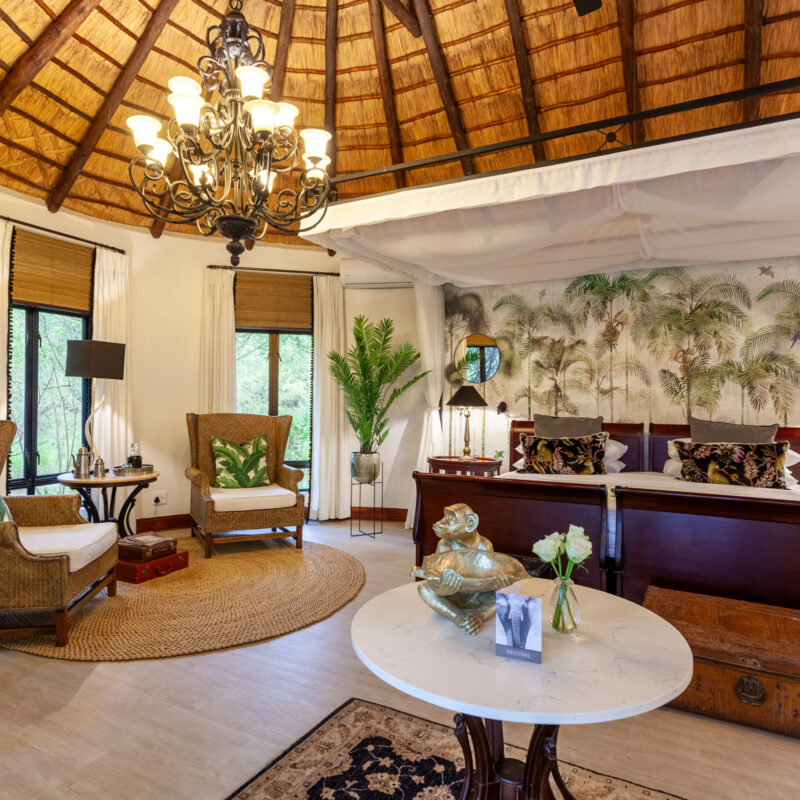
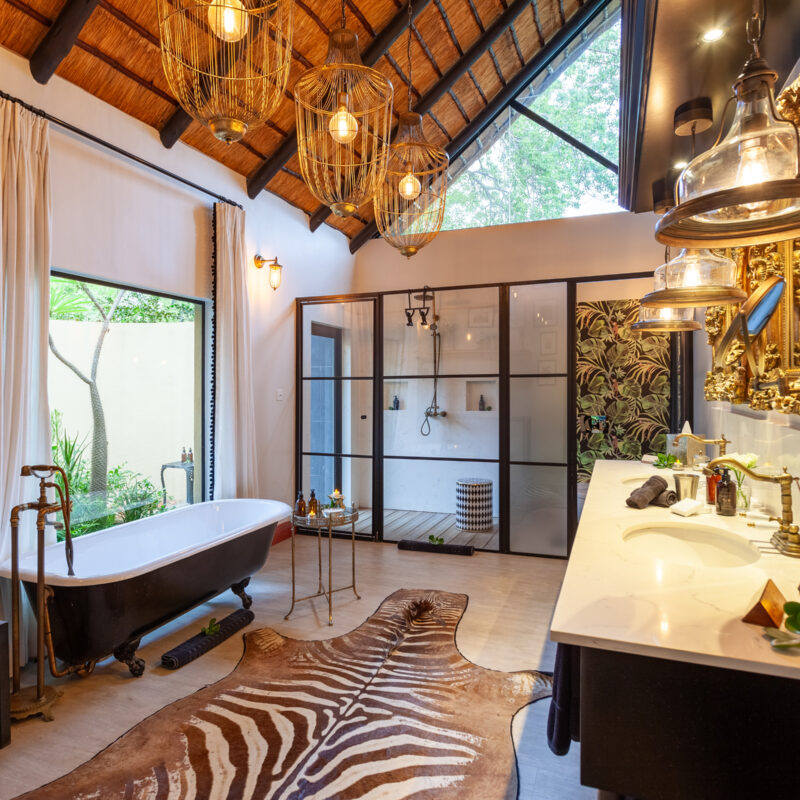
We are choosing the prestigious Kings Camp, an oasis of refined elegance within the legendary Timbavati Private Nature Reserve, as our base. Kings Camp embodies sophisticated safari living: Overlooking a vast savanna dotted with wildlife, the lodge offers sumptuous suites, exquisite dining, and warm, attentive service, a serene sanctuary where luxury and wilderness merge effortlessly. After a day of photographic adventure, unwind with fine cuisine, a glass of wine, or the tranquil glow of lantern-lit evenings under the African sky.
We visit during the dry season, when the landscape opens and water becomes a prized resource. Wildlife concentrates around the few remaining waterholes, offering rare opportunities to capture the bushveld at its most dramatic. The camp’s underground photographic hide provides a unique low-angle perspective of the waterhole, day and night, for extraordinary wildlife compositions.
Each day is crafted around light and atmosphere. Morning and afternoon game drives reveal shifting moods and extraordinary wildlife behaviour. Between drives, we refine your images in personalised editing sessions, shaping a polished, professional collection you’ll treasure forever. This is an exclusive adventure that promises unforgettable sightings and a portfolio worthy of the world’s premier safari destinations.
MY PHOTOGRAPHY TIPS
The key to getting the most out of any photographic safari begins before you even arrive, by knowing your camera gear well enough to use it instinctively. That said, I know modern photography can feel overwhelming at times, especially when juggling settings, techniques, and fast-moving wildlife. That’s exactly why my approach is hands-on, practical, and always supportive. Whether you’re still learning the basics or keen to master more advanced techniques, I will be there to guide you with personalised instruction in the field. From understanding exposure and achieving sharp focus to creative techniques like panning, backlighting, and storytelling composition, you’ll get the one-on-one time you need, without feeling rushed or left behind. And because my groups are small, there’s ample time for photo feedback sessions, editing guidance, and learning how to manage your workflow. It’s not just about shooting, it’s about growing as a visual storyteller, in one of the most inspiring locations Africa has to offer.
What to Bring – Your TIMBAVATI Photo Kit
There’s no single camera setup that works for every destination, but there are smart choices for this particular safari that will help you be ready for the moment when the action unfolds. Here are some essentials and tips to help you pack with purpose:
Must Haves
- Two camera bodies – it’s preferable but not always possible, one to shoot with a fixed lens, the other for the zoom. This helps avoid changing lenses in dusty conditions.
- Telephoto lens – A lens with a reach of at least 400mm is ideal for wildlife. If birds are a focus, even longer (500–600mm) is better.
- Wide-angle lens – Something in the 14–35mm range is great for capturing environmental shots, dramatic skies, and close-up scenes with context.
- Mid-range zoom (70–200mm) – Versatile for both wildlife and portraits, especially when animals are near.
- General purpose lens – A 24–70mm or 24–105mm zoom covers a lot of ground and is perfect for travel and cultural images.
- Spare batteries and memory cards – Bring more than you think you need. Chargers too, preferably two.
- Lens cleaning kit – Dust and smudges are inevitable.
- Copy of your camera manual – It can save the day!
- A laptop with editing software (like Lightroom or Camera Raw and Photoshop) – For reviewing and backing up your images, plus an external hard drive for added security.
- Small camera backpack or daypack – Weatherproof and comfortable.
Optional but Useful
- Tripod – Small, sturdy one can be useful for landscapes or low-light shots if you’re planning to do long exposures.
- Flash – With a remote trigger for creative or macro work.
- Polarizing filter – Great for reducing glare.
- Rain cover for gear – The weather can change quickly in the bush.
Lens Selection by Subject
| Subject | Recommended Lenses |
|---|---|
| Wildlife | Telephoto 400mm+, Mid-range Zoom 70–200mm |
| Birds | 500mm–600mm telephoto (fixed or zoom) |
| Landscapes | Wide-angle 14–35mm, sturdy tripod, polariser |
| Culture/People | 24–70mm, 50mm prime, mid-range zoom |
| Macro subjects | Macro lens (90–105mm), flash with trigger |
Final Tip: Travel Light, But Smart
You don’t need to bring everything you own, just the right tools for the kind of photography you want to do. If you’re unsure what to prioritize for the safari, feel free to reach out and I will be happy to advise based on your specific goals and camera system. Your journey with me isn’t just about taking better photos, it’s about transforming how you see the natural world, one frame at a time.
INCLUDED
- Hoedspruit Airport transfers
- Photography Workshop with Lesley
- 5 nights accommodation at Kings Camp
- All meals and drinks
- Two Game drives daily in private photographic vehicle
- Unlimited underground hide access
- Daily image review sessions and one-on-one photo tuition
- Park fees & conservation levies
- Use of the Kings camp photo studio with in-house computer and photo printer
- Laundry
EXCLUDED
- Camera equipment
- International or domestic flights
- Any required visas
- Personal laptop (required for editing and image review sessions)
- Travel insurance
- Medical expenses, vaccinations etc.
- Gratuities
- Single supplement



RICH BIODIVERSITY
PHOTO opportunities
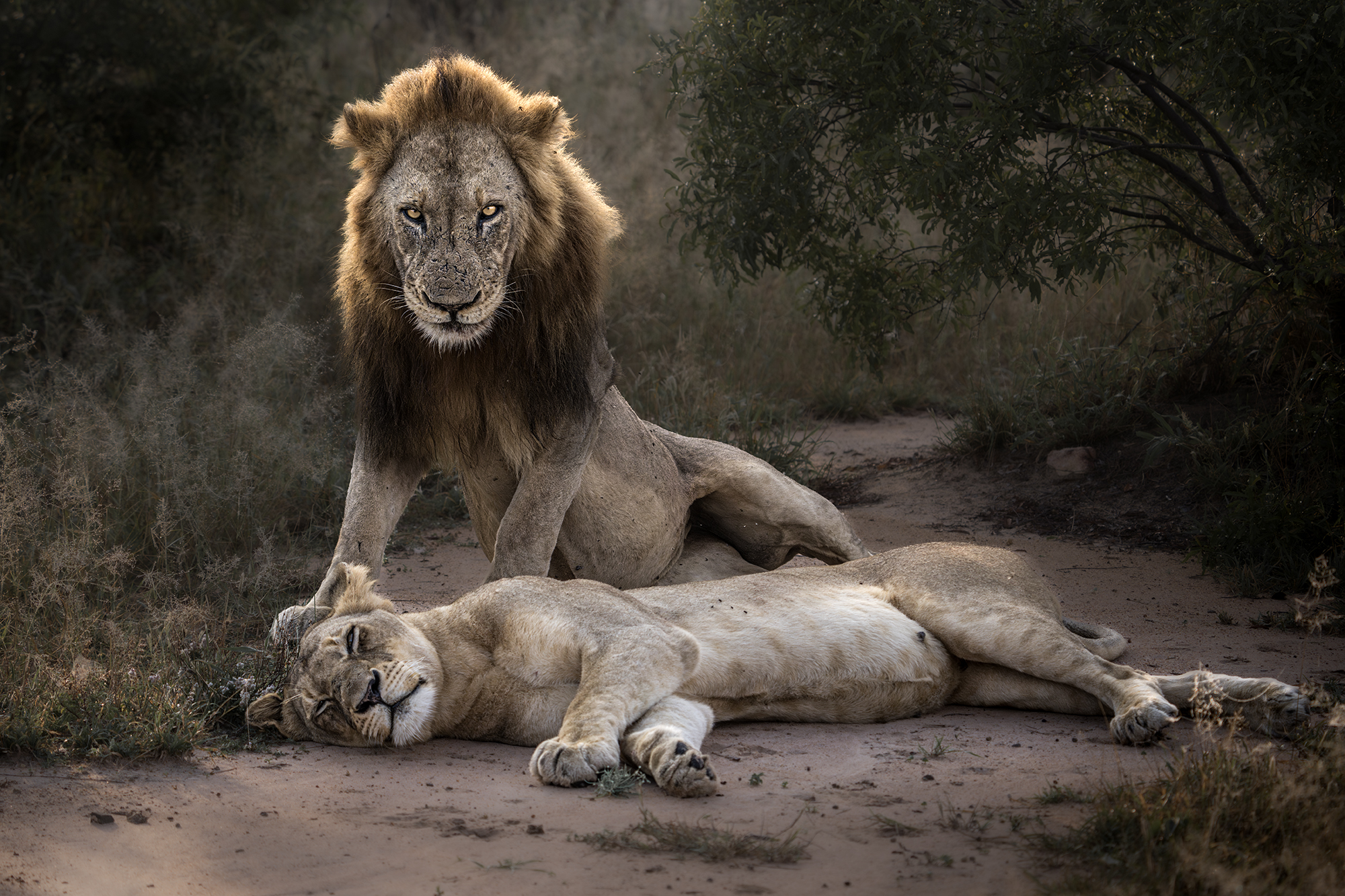
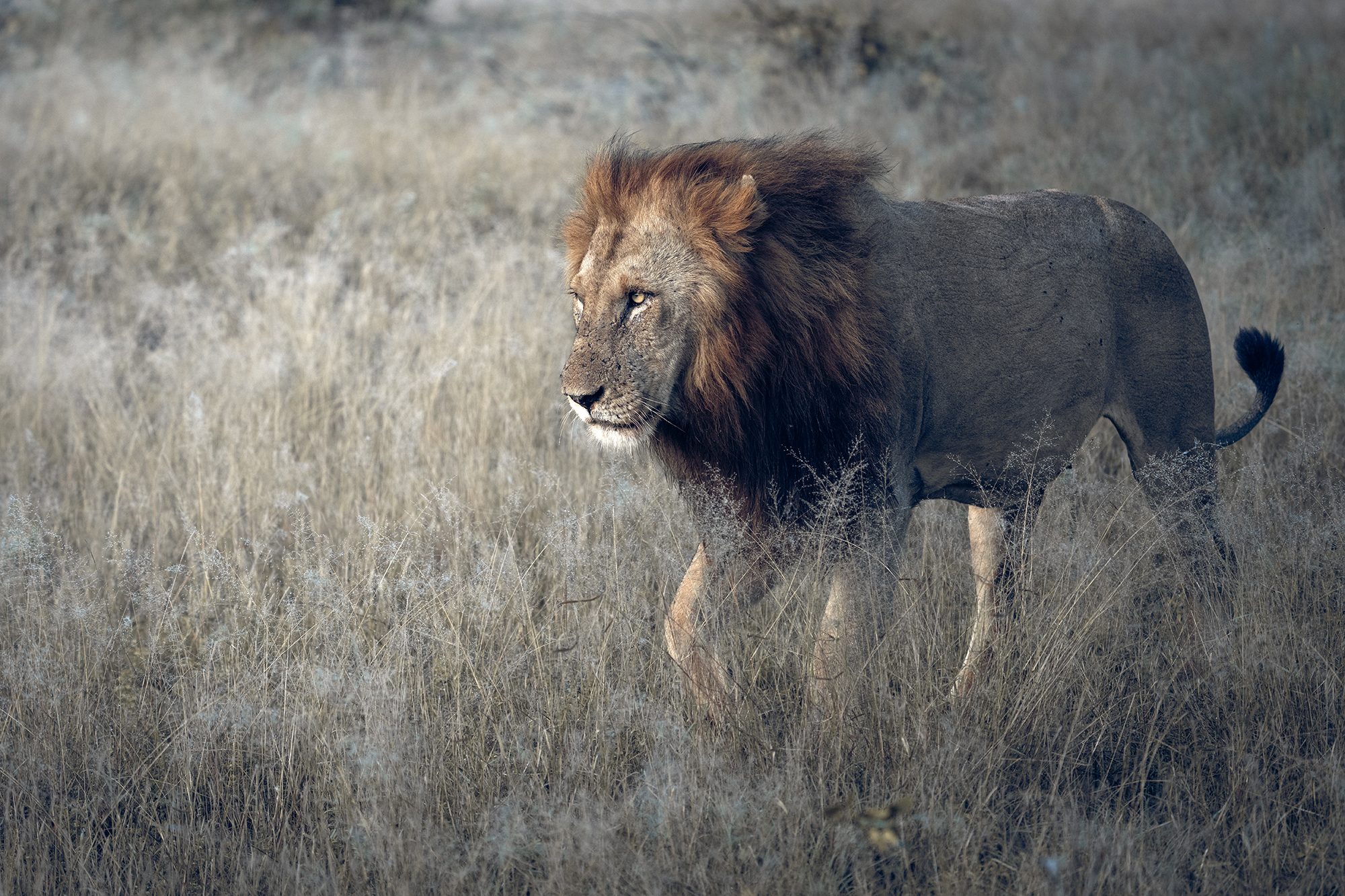
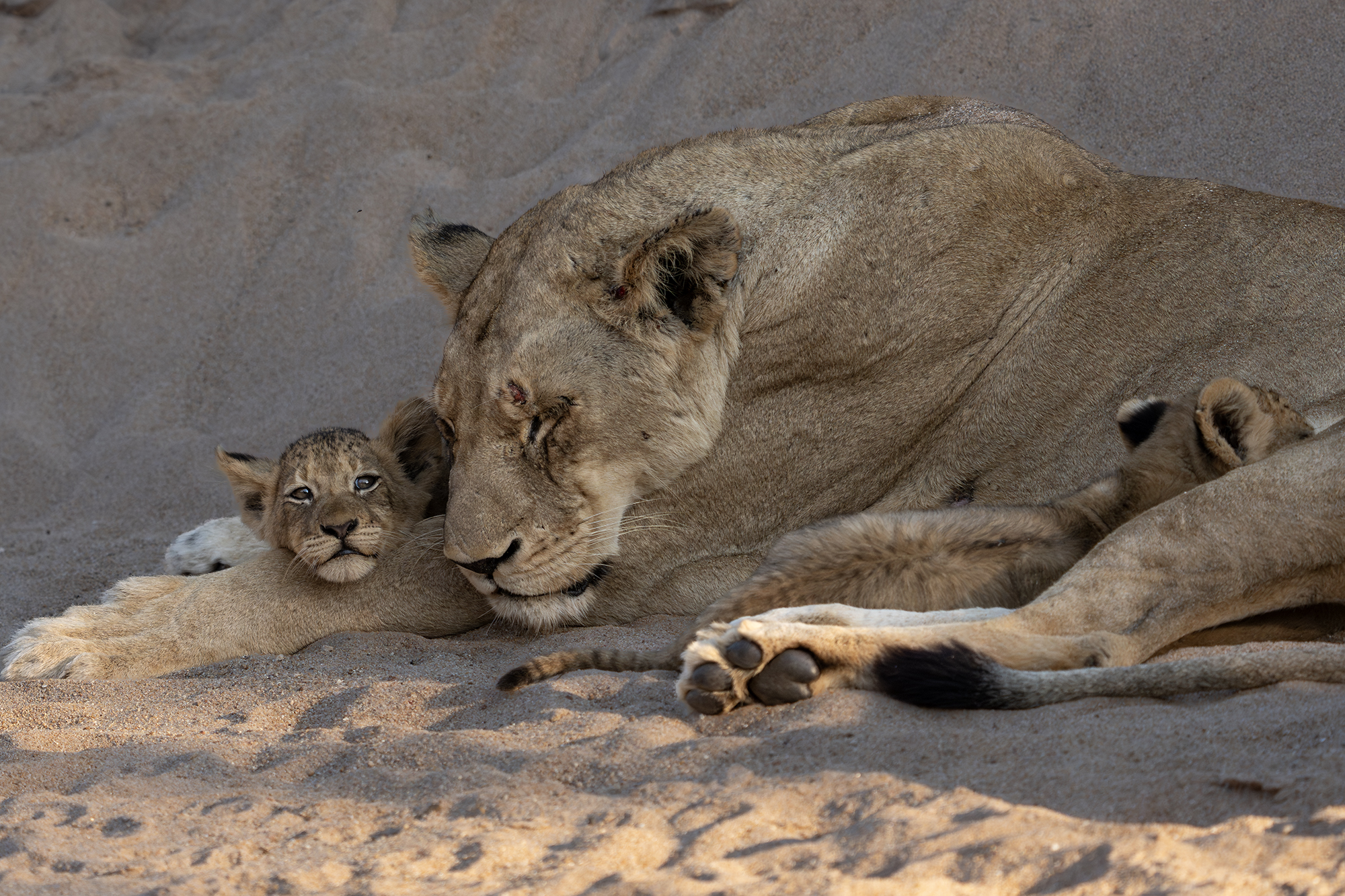
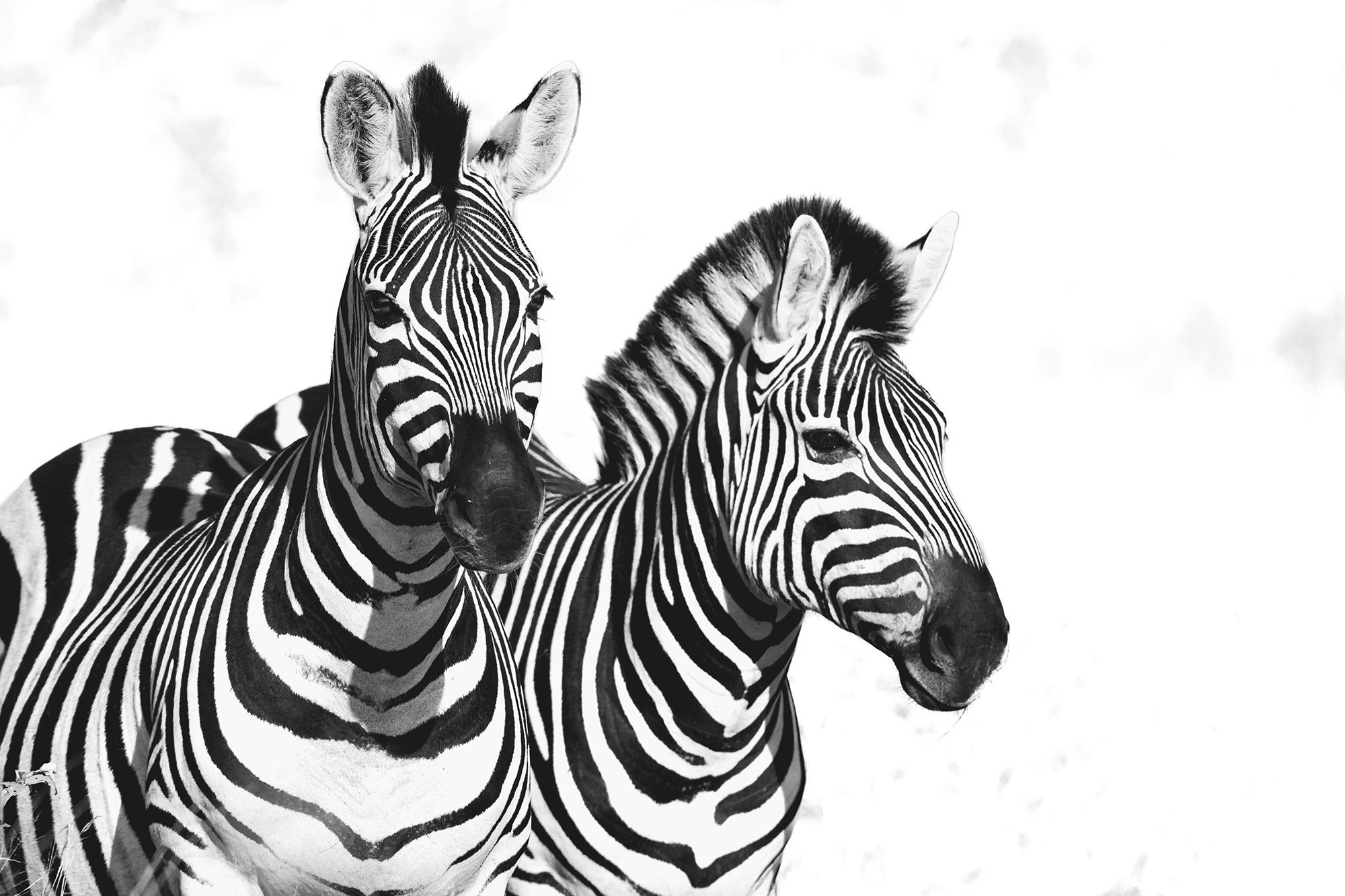
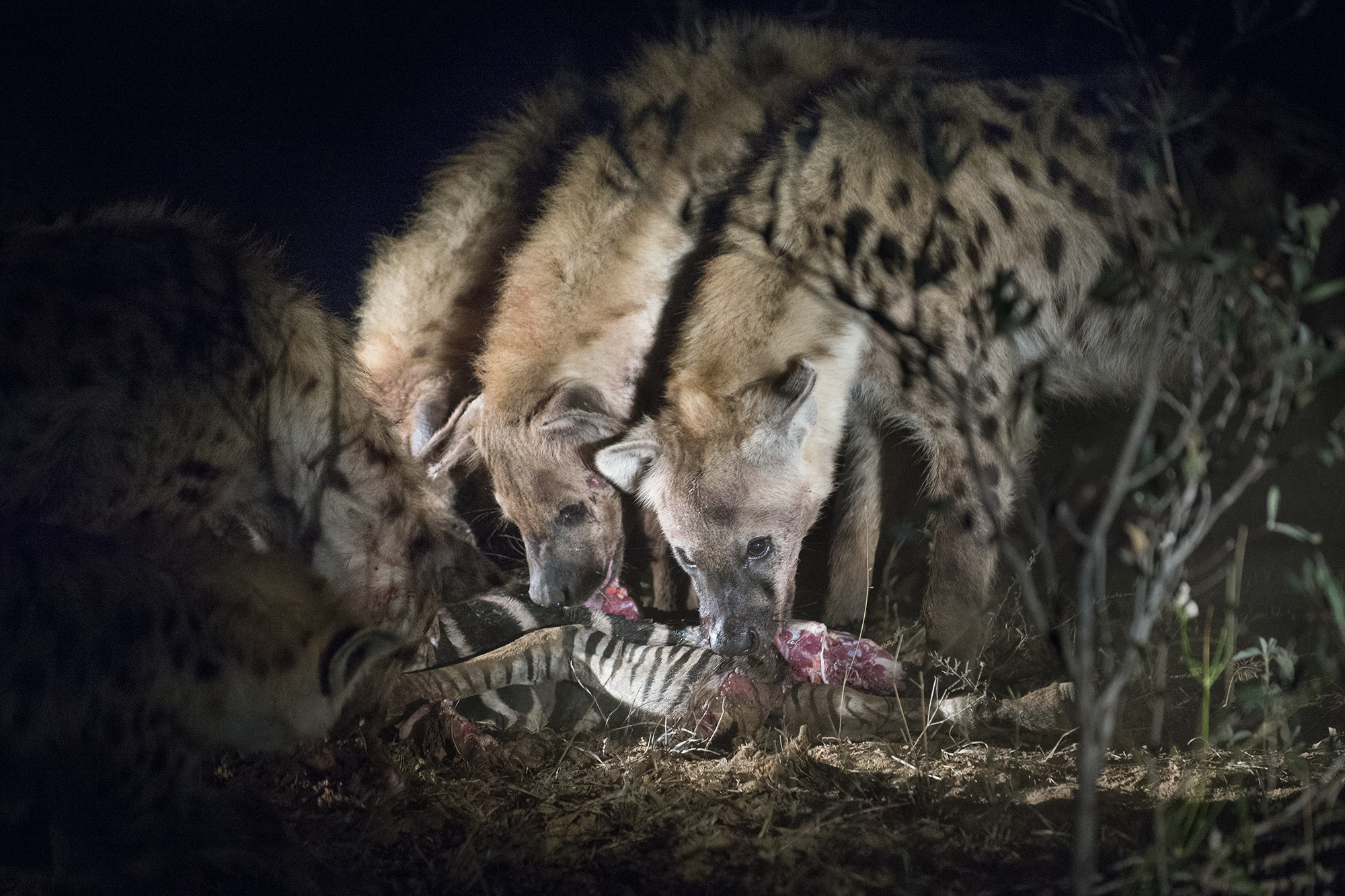
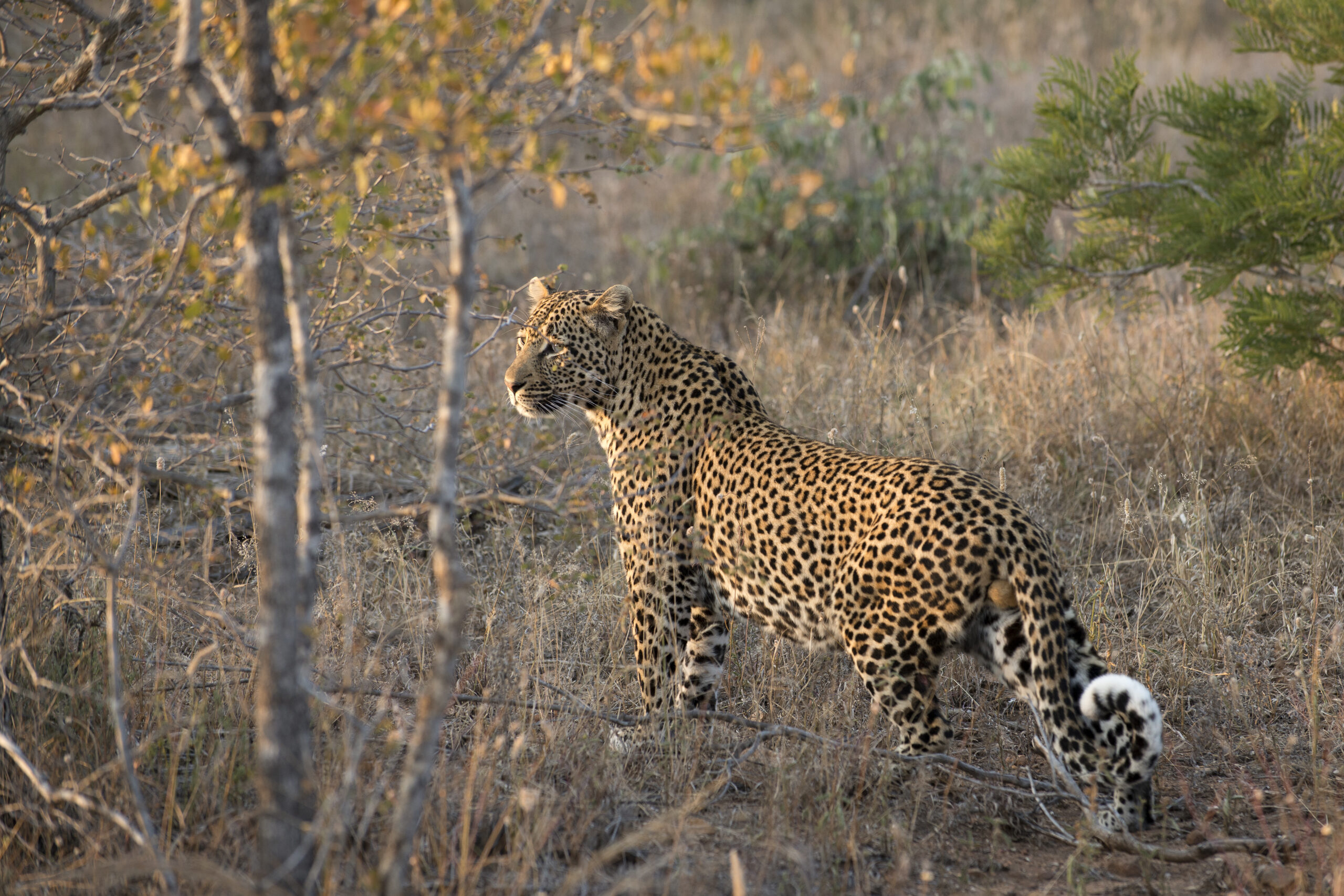
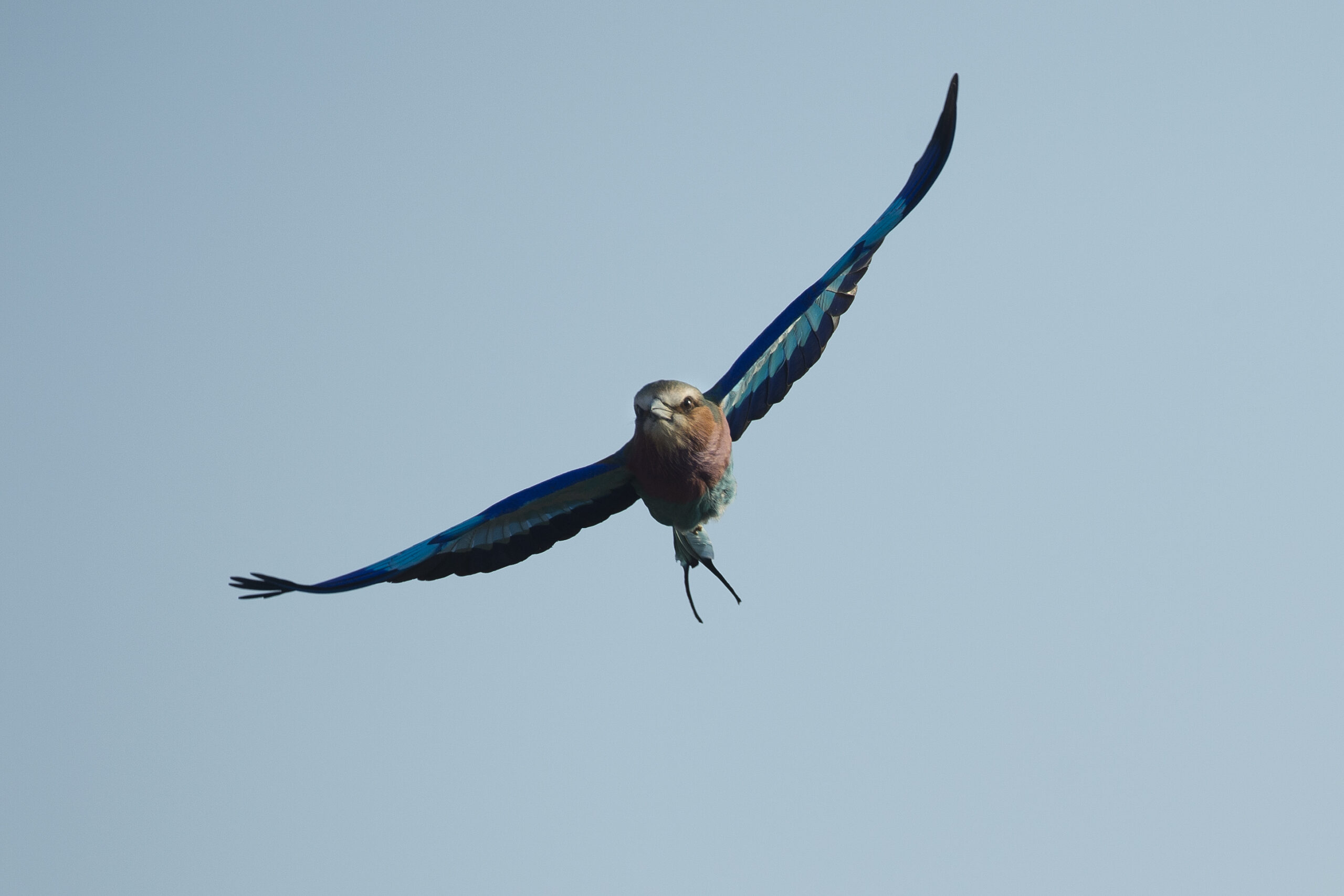
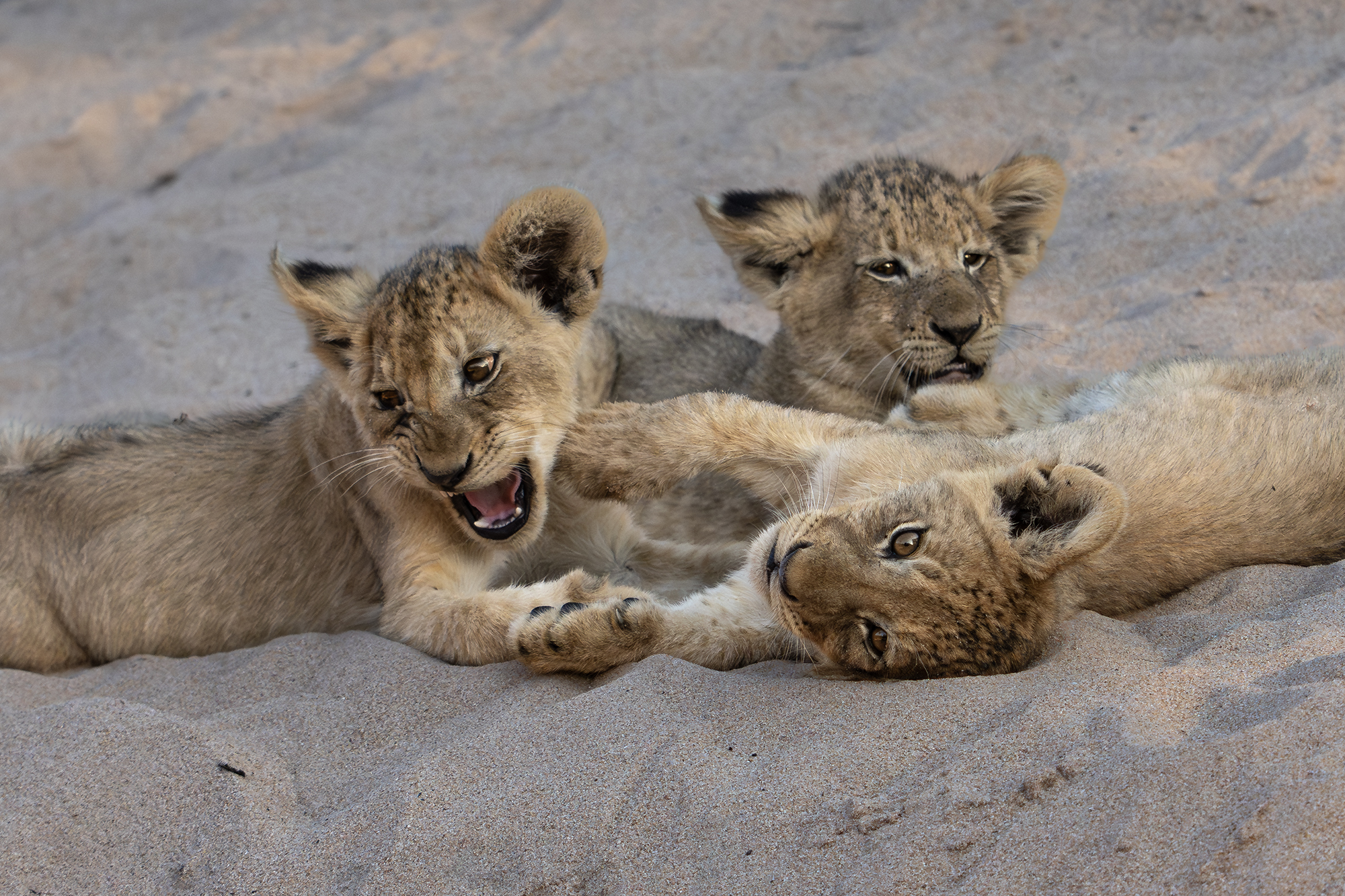
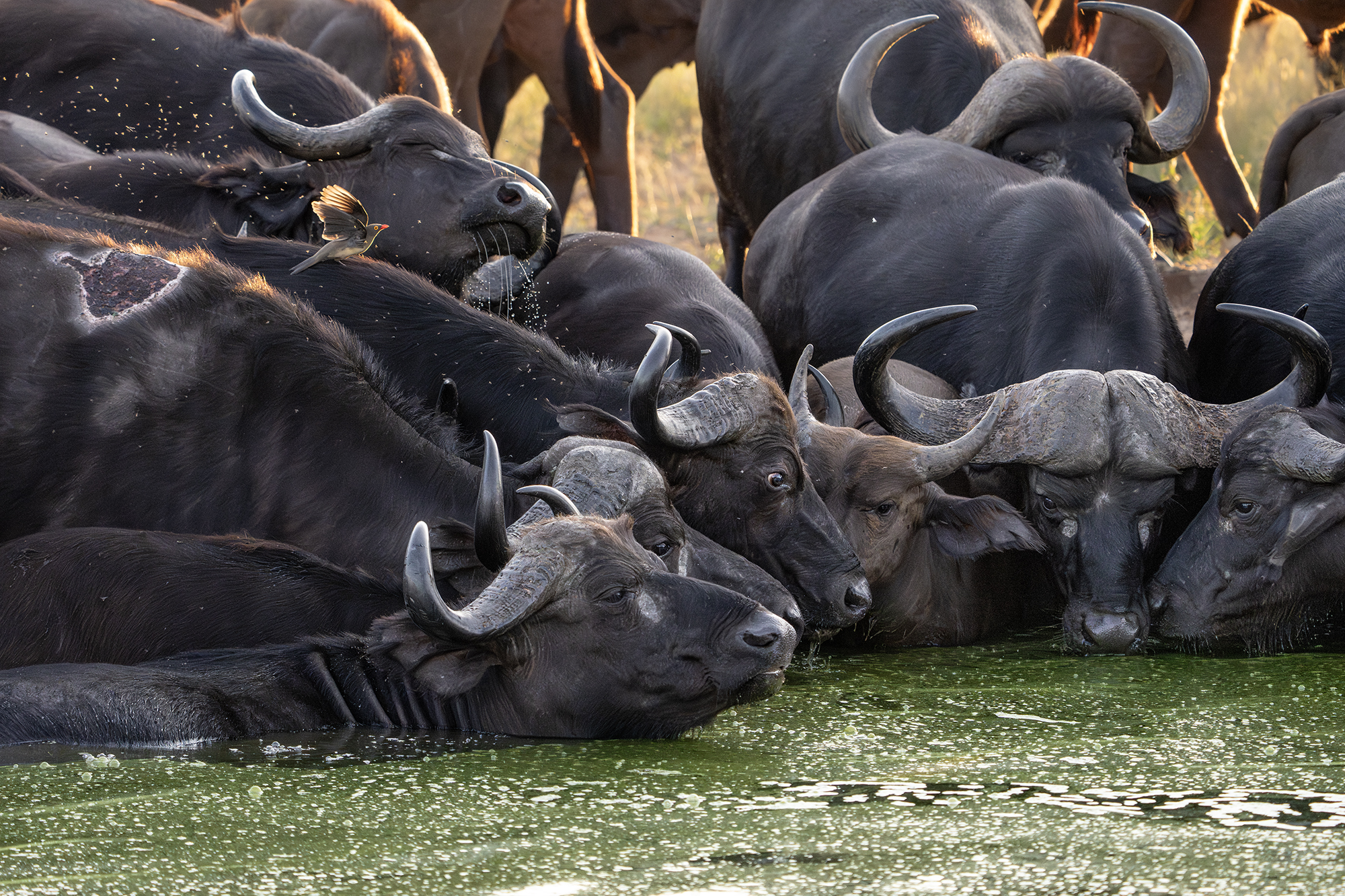
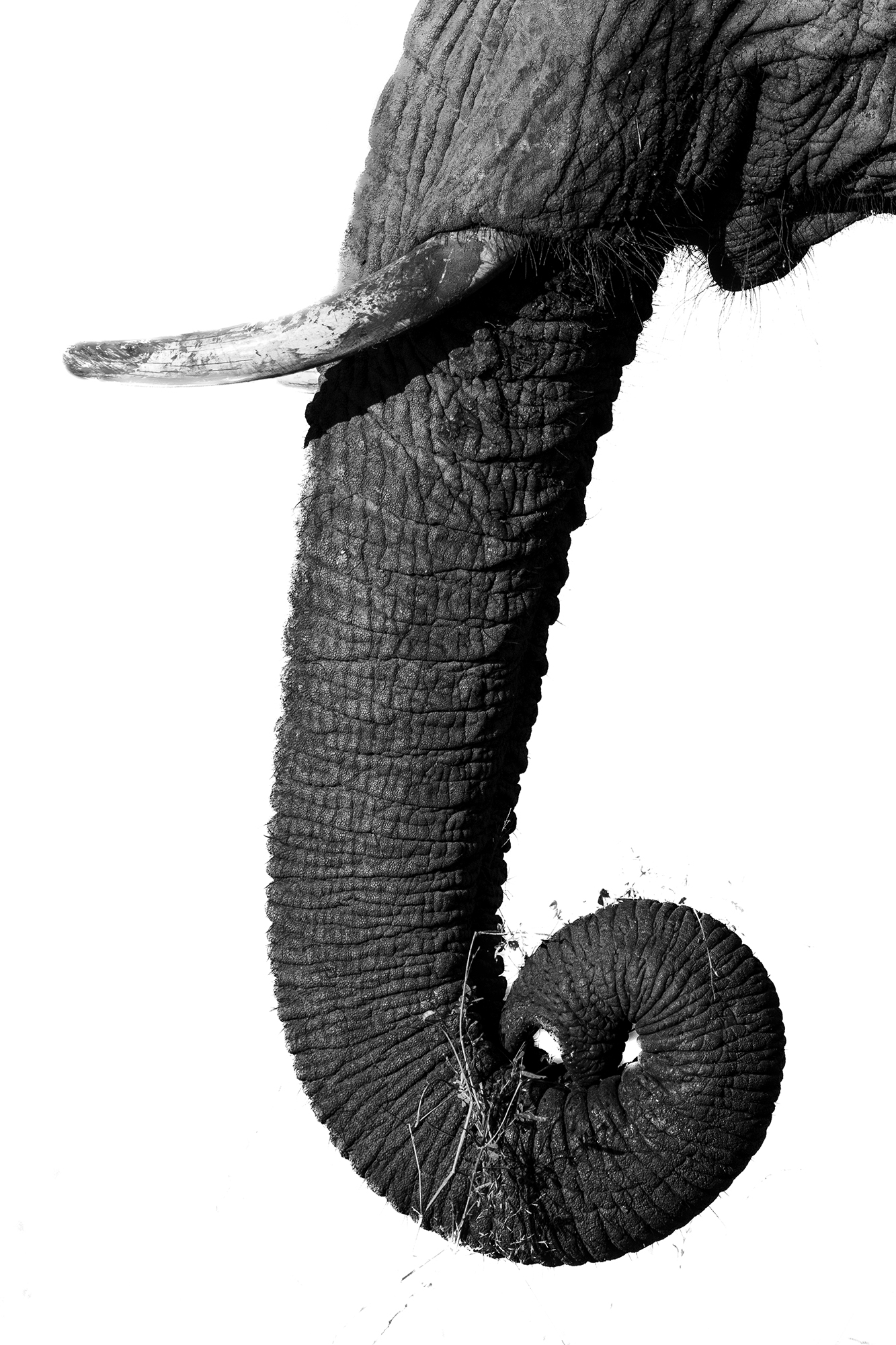
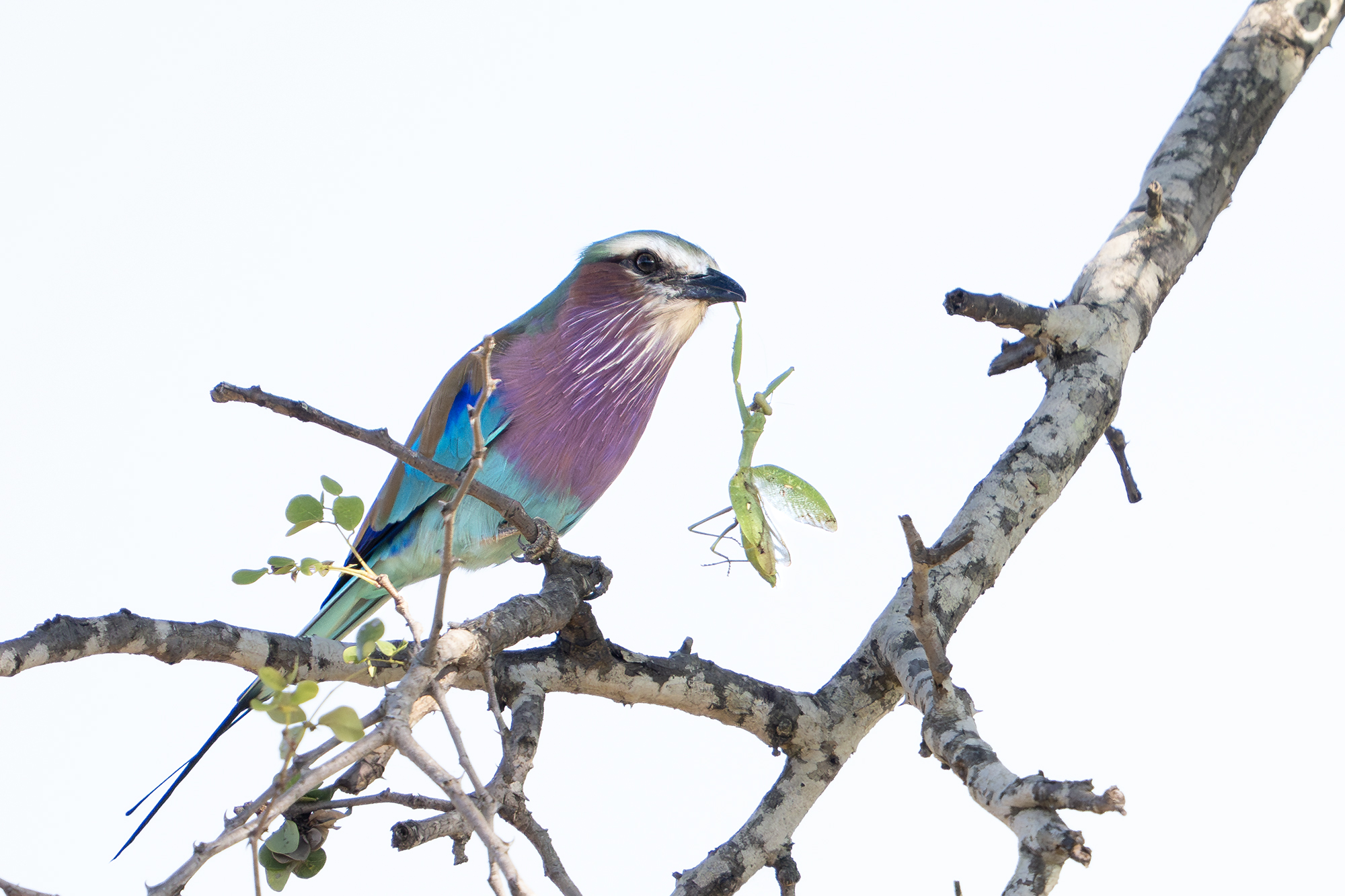
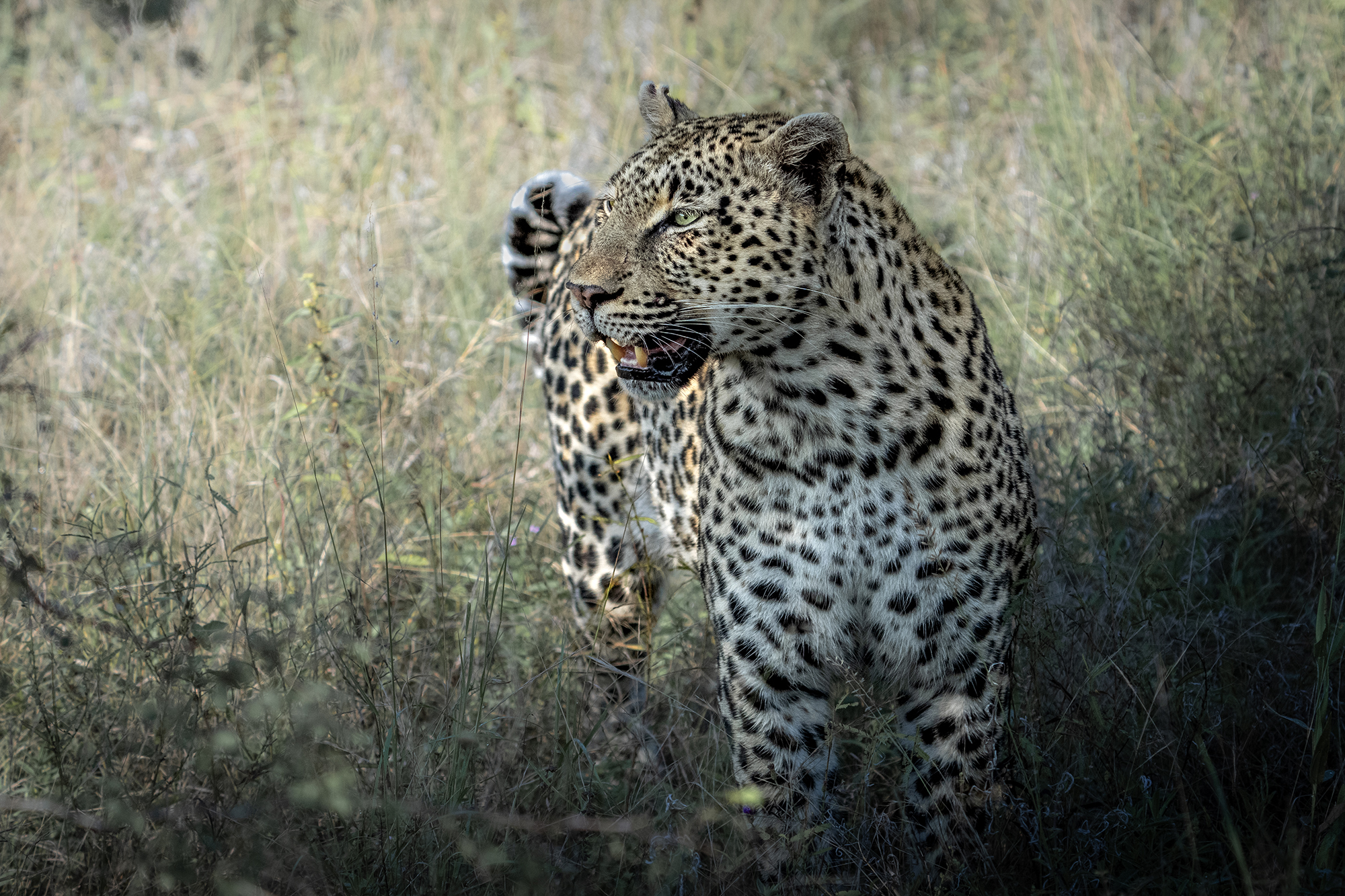
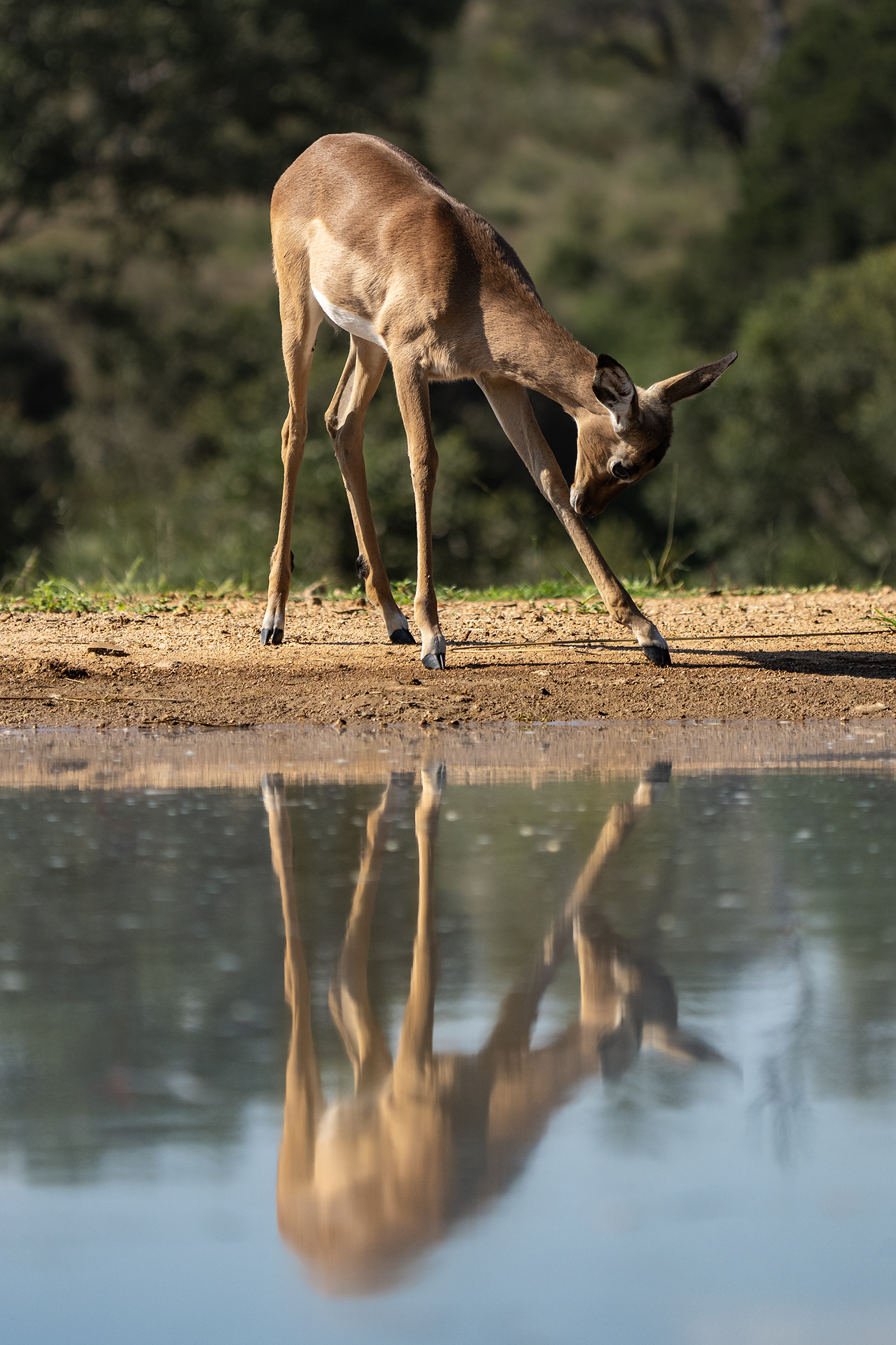
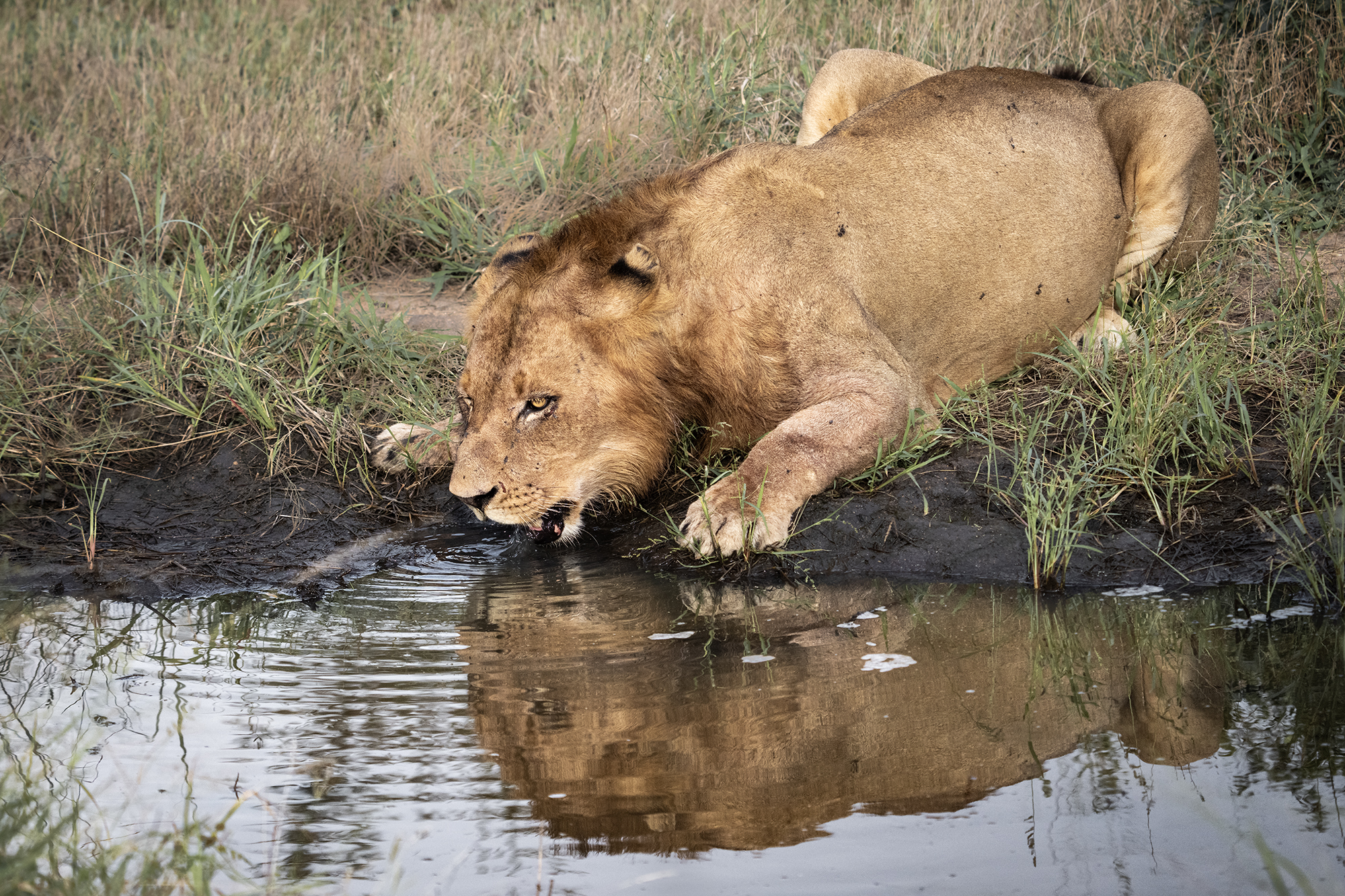
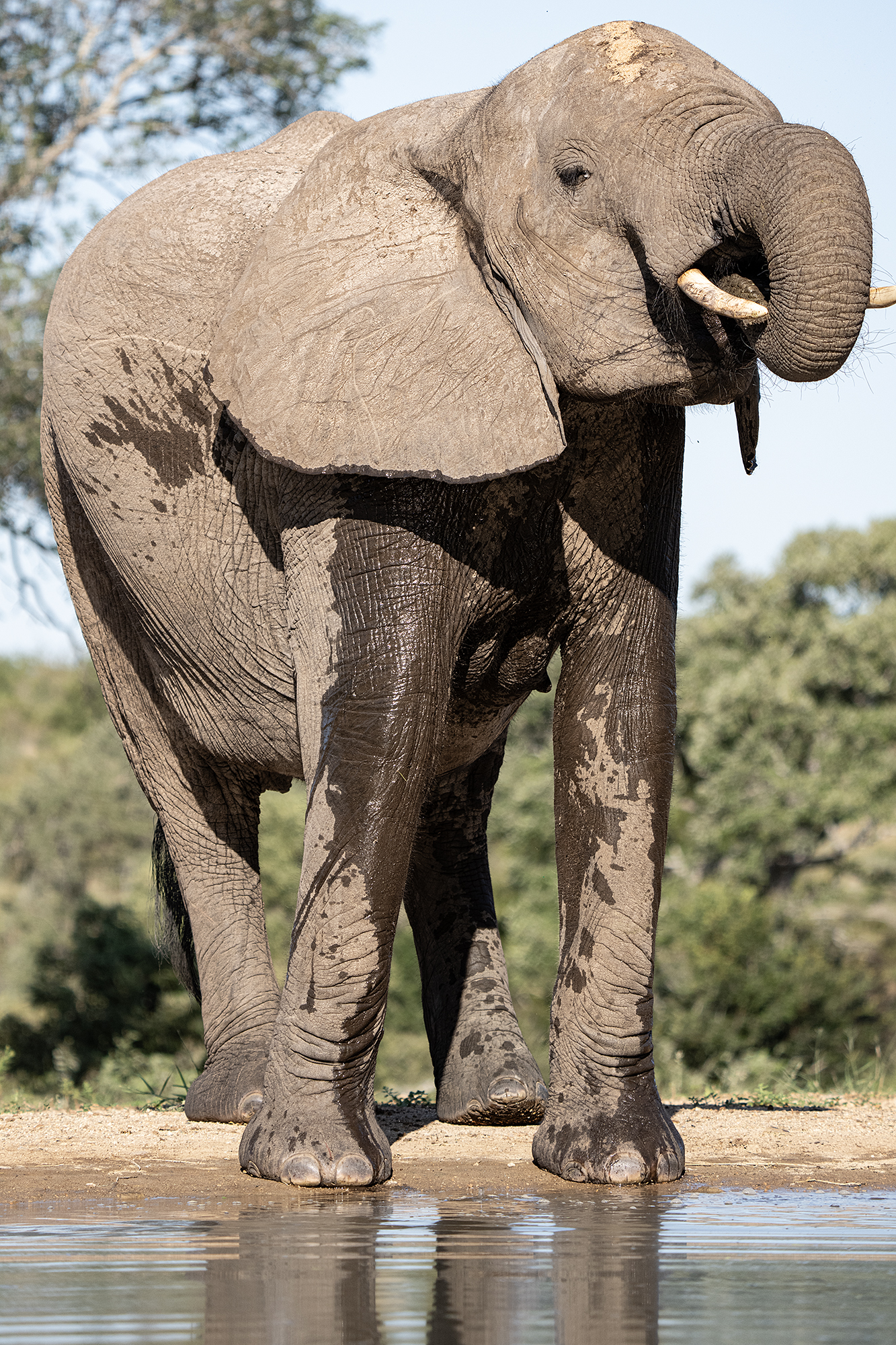
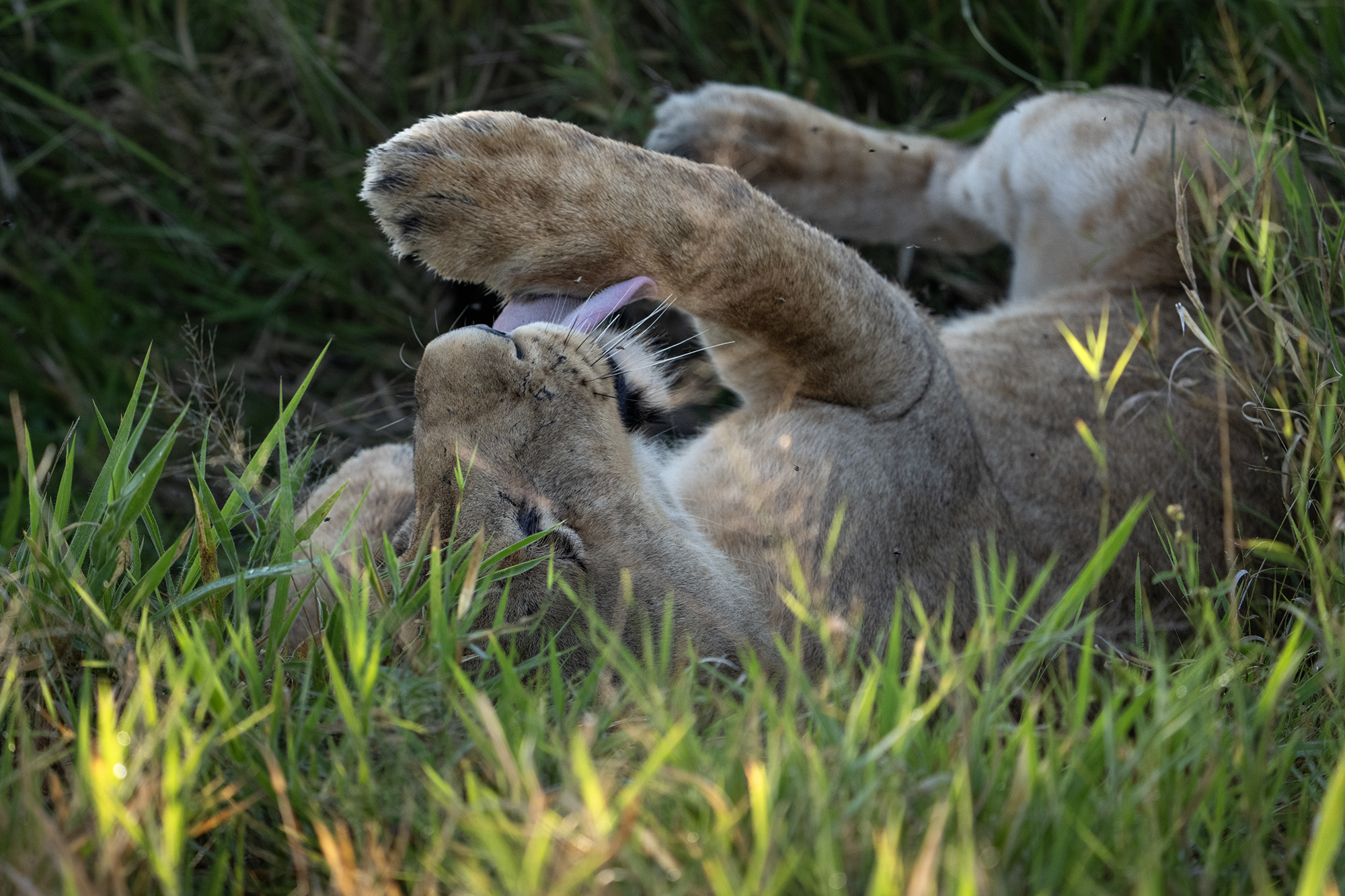
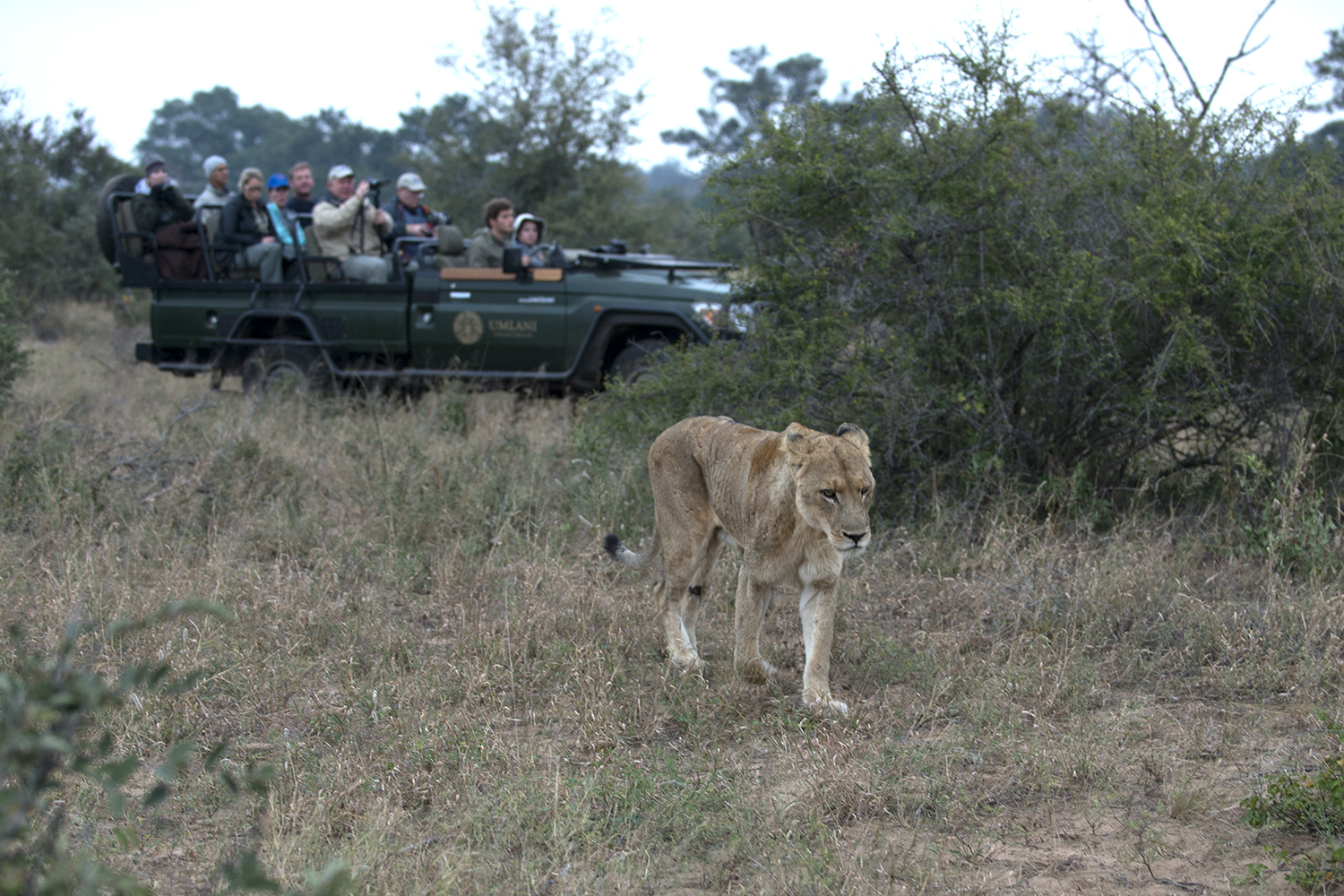
This region offers remarkable biodiversity, with thriving populations of the Big Five, a wide range of plains game, and over 350 recorded bird species. From powerful predator encounters to vibrant birdlife and everything in between, each game drive presents a rich variety of subjects for wildlife photographers.
Read More
???? What You Can Expect to Photograph
This is a list of what you likely to see, however, there are many other species not included. Mammals & Big Game Highlights
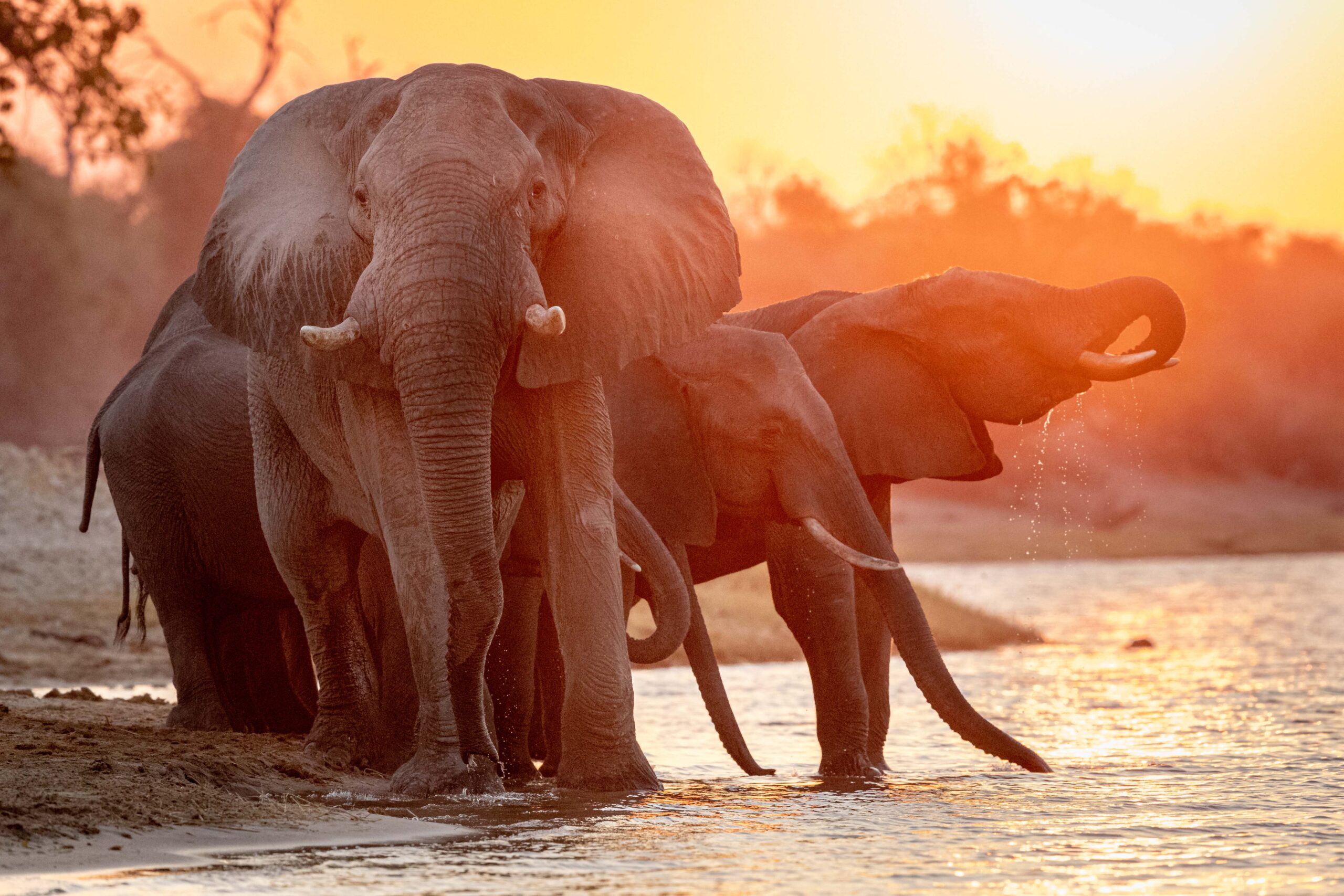
- The Big Five: Lion, leopard, elephant, buffalo, and white rhino roam freely throughout the reserve.
- Other Large Mammals: Giraffe, plains zebra, blue wildebeest, greater kudu, impala, waterbuck, sable antelope, nyala, and eland.
- Predators & Carnivores: Spotted hyena, African wild dog (occasionally), cheetah, caracal, and jackal.
- Smaller Mammals: Warthog, banded mongoose, honey badger, and various species of monkeys including vervet and samango monkeys.
- Nocturnal Species: Bushbaby (galago), aardvark (rare), and genet.
Birdlife & Raptors
- Bird Diversity: Over 350 bird species recorded, making this an exceptional location for bird photographers.
- Key Raptors: African Fish Eagle, Martial Eagle, Tawny Eagle, Black-chested Snake Eagle, and White-backed Vulture.
- Colourful Residents: Lilac-breasted Roller, Grey Go-away Bird, Purple-crested Turaco, and African Hoopoe.
- Waterbirds: African Jacana, Malachite Kingfisher, and Grey Heron frequent the waterholes and rivers.
- Unique Species: Southern Ground-Hornbill, Crested Barbet, and the iconic Trumpeter Hornbill.
- Other Notables: African Paradise Flycatcher, Burchell’s Coucal, and Yellow-billed Hornbill.
Why July–August is Excellent for Photography
- Dry Season Advantages: Vegetation is sparse, providing clear sightlines and uncluttered compositions.
- Concentration of Wildlife: Animals gather around shrinking water sources, increasing your chances for multiple species encounters in one location.
- Light Quality: Crisp, clear air enhances colours and sharpness, with beautiful golden hours perfect for dramatic wildlife portraits.
- Predictable Animal Behavior: Easier to anticipate movements and actions, enabling better planned and more dynamic shots.
WHAT’S SPECIAL ABOUT THIS EXPERIENCE
WILDLIFE safari
✓ Led by Lesley Rochat, professional wildlife photographer
✓ Premier Luxury Big 5 photographic safari in renowned Timbavati
✓ Designed for intimate encounters and behavioural photography
✓ Personalised, hands-on guidance in dynamic bushveld conditions
✓ Exceptional diversity: Big 5, predators, rare antelope, raptors, and more
✓ Small group for best position that ensures the capture